Things You Can’t Bring on a Cruise (15 Items to Know Before You Pack)
Every cruise line has a list of prohibited items buried somewhere in the fine print, and almost nobody reads it until security pulls something out of their bag at the terminal.
I’ve watched a guy lose a full bottle of good whiskey at check-in, and I’ve had my own power strip confiscated because I didn’t know the difference between “surge protector” and “basic power strip.”
So here’s the real list — what’s banned, why, and what you can actually pack instead.
Electrical and Fire Hazard Items
1. Surge Protectors
Banned on nearly every major cruise line due to fire risk, even though cabins often only have one or two outlets.
Pack instead: A non-surge-protected power strip or basic outlet splitter, which is allowed on most ships.

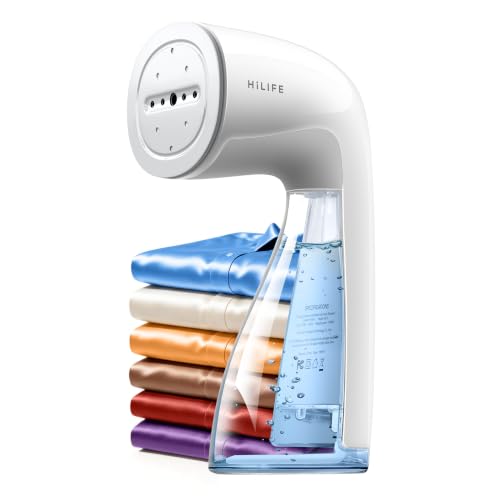
2. Irons and Steamers
Standard clothing irons and steamers are prohibited because of fire risk in small cabin spaces.
Pack instead: A portable wrinkle-release spray or a compact travel steamer specifically labeled cruise-safe (check your cruise line’s exact policy, as some allow certain steamers).

3. Candles and Incense (Even Unlit)
Open flames and anything with a wick are banned outright, regardless of whether you intend to light them.
Pack instead: A battery-operated flameless candle if you want the ambiance without the fire risk.

4. Space Heaters
Portable space heaters are banned fleet-wide for fire safety, even on colder-weather cruises.
Pack instead: An extra blanket or a heated throw designed for travel, if allowed by your specific cruise line.

Weapons and Sharp Items
5. Pocket Knives and Multi-Tools with Blades
Most cruise lines prohibit knives above a certain blade length, including multi-tools with a blade component.
Pack instead: A small blade-free travel multi-tool with just the non-bladed functions (scissors under the size limit, bottle opener, etc.).

6. Firearms and Ammunition
Banned across virtually all cruise lines, with very limited exceptions for law enforcement traveling on duty.
Pack instead: N/A — leave these at home entirely.
Alcohol and Beverage Restrictions
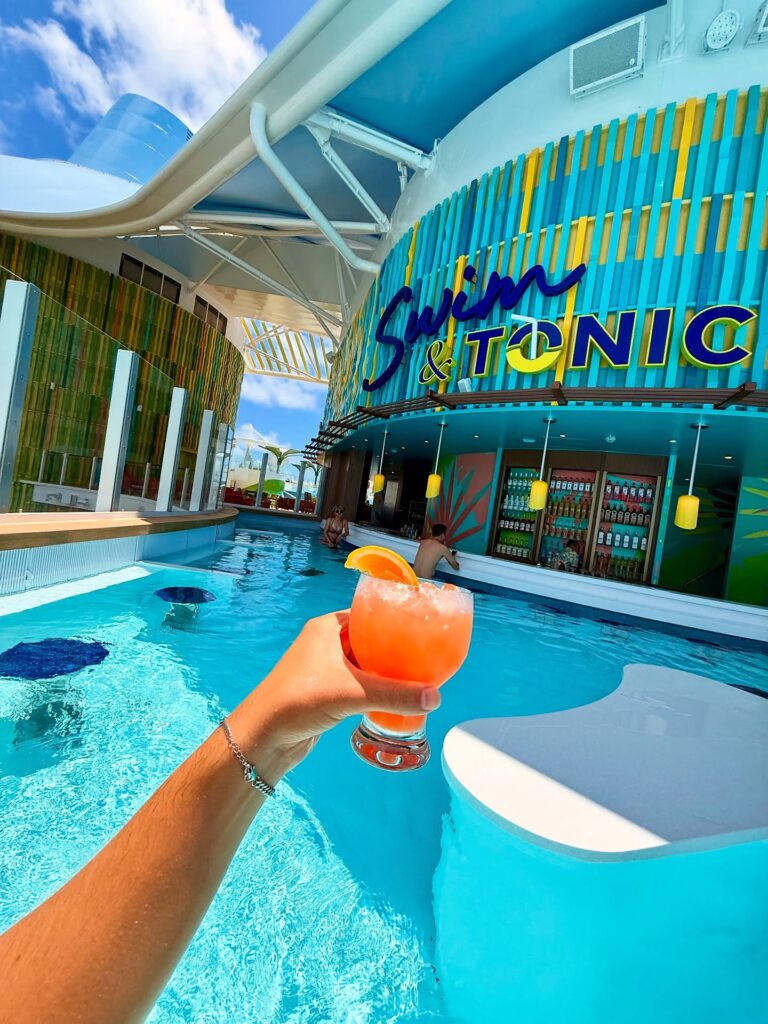
7. Full Bottles of Liquor (Beyond Line-Specific Limits)
Most cruise lines allow limited wine or champagne per stateroom but prohibit hard liquor entirely unless purchased onboard.
Pack instead: Check your specific cruise line’s alcohol policy — some allow one or two bottles of wine per adult in carry-on luggage.
8. Large Quantities of Non-Alcoholic Beverages
Many lines also restrict how many cases of soda or water you can bring onboard, especially in checked luggage.
Pack instead: A collapsible reusable water bottle to use with the ship’s free refill stations instead.
Drug and Safety-Related Items
9. Illegal Drugs and Drug Paraphernalia
This one’s obvious, but it’s worth noting that even legal-in-your-state items like certain edibles can cause serious issues crossing into international ports.
Pack instead: Stick strictly to prescription medications in original, labeled containers.
10. CBD Products
Even though CBD is legal in many places, cruise lines often ban it outright since ships operate under international and varying local laws.
Pack instead: Check your cruise line’s specific policy before packing — most recommend leaving CBD products at home entirely.
Electronics and Communication Devices
11. Drones
Nearly universally banned onboard due to safety and privacy concerns, even if you plan to only fly them at ports.
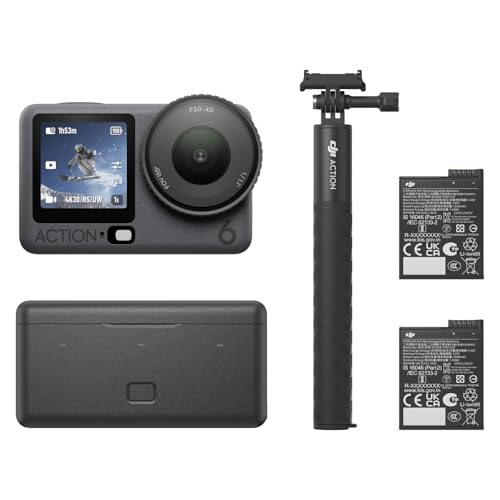
Pack instead: A compact action camera for capturing excursions and scenery without the drone restrictions.
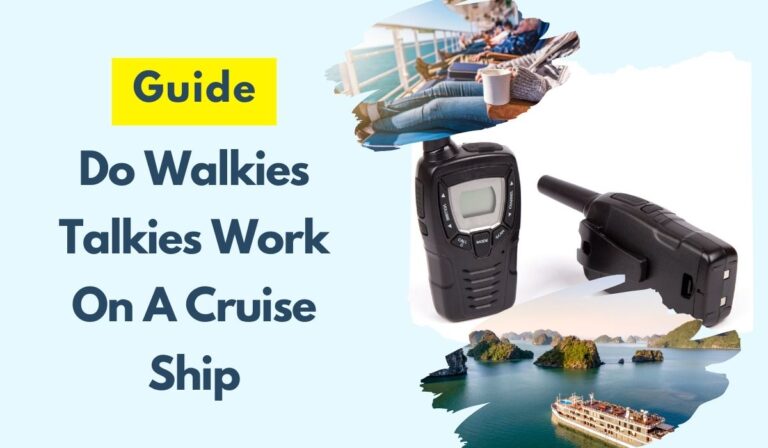
12. Walkie-Talkies with Extended Range
Some cruise lines restrict long-range two-way radios due to interference with ship communications.
Pack instead: A cruise-approved short-range walkie-talkie set, often sold specifically for family communication onboard.

Miscellaneous Prohibited Items
13. Extension Cords
Similar to surge protectors, standard extension cords are often restricted due to fire code regulations.
Pack instead: A short, cruise-approved power strip instead of a long extension cord.
14. Hoverboards
Banned on virtually every major cruise line due to battery fire risks.
Pack instead: Leave it at home — there’s no real onboard alternative for this one.
15. Large Coolers
Big rolling coolers are typically prohibited or heavily restricted, especially hard-sided ones, though small soft coolers are often allowed.
Pack instead: A small, soft-sided insulated cooler bag if you want to bring snacks or drinks onboard within your line’s size limits.
16. Clothes Irons/Steaming Devices with Water Tanks
Worth calling out separately from standard irons — even steam-based wrinkle removers with water reservoirs often fall under the same fire-risk ban.
Pack instead: A wrinkle-release spray bottle, which is compact, liquid-restriction-friendly, and does a surprisingly good job.
Quick Rules Before You Pack
- Check your specific cruise line’s list. Policies vary — what’s banned on one line might be fine on another.
- When in doubt, leave it out. Confiscated items usually aren’t returned until disembarkation, if at all.
- Pack alternatives, not workarounds. Trying to sneak a banned item rarely ends well at security.
- Double-check alcohol and CBD policies specifically. These vary the most between cruise lines and change fairly often.
Final Thought
Most “banned item” surprises happen because people assume cruise ship rules are the same as airport security rules — they’re not.
A five-minute check of your specific cruise line’s prohibited items list before you pack saves you from losing something at the terminal, and in most cases, there’s a simple, allowed alternative that gets the job done anyway.

I am Zoe Grace, a passionate enthusiast of cruise ships. With a decade of firsthand experience in the cruising industry, I have developed a deep understanding of the intricacies and wonders that these majestic vessels hold.
Now, I am excited to embark on a new journey as an author, sharing my knowledge and insights with readers who share my fascination for the world of cruising.
Join me as we explore the captivating world of cruise ships together.