Cruise Dining Etiquette for First-Time Cruisers: What You Need to Know
Which fork to use, whether you can show up late, how much to tip the dining staff — cruise dining comes with its own unwritten rules, and most first-time cruisers only learn them after an awkward moment at dinner.
Here’s exactly what to expect at cruise dining, from your first night in the main dining room to specialty restaurant etiquette.
Why Cruise Dining Feels Different From a Regular Restaurant

Cruise dining blends restaurant service with a structured, repeat-nightly system most first-time cruisers haven’t experienced before.
You may have an assigned table and set dining time, or a flexible “anytime dining” option depending on your cruise line.
Waitstaff often serve the same table every night, dress codes shift throughout the week, and dining room etiquette leans slightly more formal than a typical night out at home.
Understanding this system in advance — rather than figuring it out on the first night — makes the whole week smoother and less stressful.
The Cruise Dining Etiquette Checklist
| Situation | What to Know |
|---|---|
| Assigned vs. anytime dining | Confirm which system your cruise line uses before boarding |
| Dress codes | Casual, smart casual, and formal nights vary by evening |
| Tipping | Gratuities are usually included or auto-charged; extra tipping is optional |
| Being late to dinner | Assigned dining has a set start time; arriving very late can be disruptive |
| Sharing a table | Common on assigned dining; conversation is expected but not required |
| Ordering multiple entrees | Generally acceptable to order more than one if unsure what you’ll like |
| Specialty restaurant reservations | Usually required in advance and often carry an extra fee |
| Buffet vs. dining room etiquette | Different norms apply — buffet is casual, dining room expects more formality |
| Sending food back | Acceptable if there’s a genuine issue, done politely through your server |
| Children at dinner | Most dining rooms welcome families, but some specialty restaurants have age minimums |
Assigned Dining vs. Anytime Dining

Most mainstream cruise lines offer two systems: assigned dining, where you have the same table, time, and waitstaff every night, and anytime dining (sometimes called flexible or “My Time” dining), where you can show up within a broader window and are seated wherever space is available.
Assigned dining tends to build a rapport with your waitstaff over the week, which many repeat cruisers prefer, while anytime dining offers more flexibility if your schedule varies night to night.
Check your booking confirmation or cruise line app before boarding, since this affects how much advance planning your evenings need.
Dress Codes Change Throughout the Week
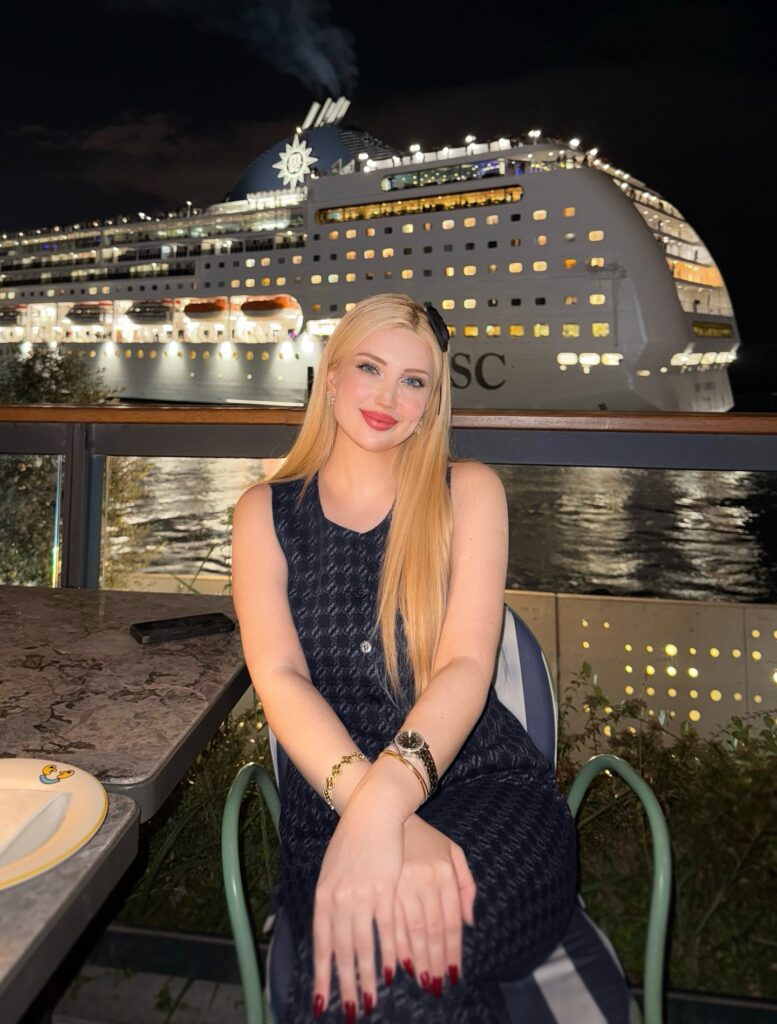
Cruise dining dress codes typically rotate between casual, smart casual, and one or two formal nights across a 7-night sailing. Casual nights are genuinely relaxed — jeans and a nice top are fine — while smart casual calls for slightly more polish, like a collared shirt or a simple dress.
Formal nights are the exception, not the norm, and most cruise lines have shifted toward more relaxed formal night expectations in recent years, though some travelers still choose to dress more traditionally.
Check your specific cruise line’s current dress code policy before packing, since standards do vary between lines and have loosened somewhat industry-wide over the past several years.
Tipping Norms in Cruise Dining
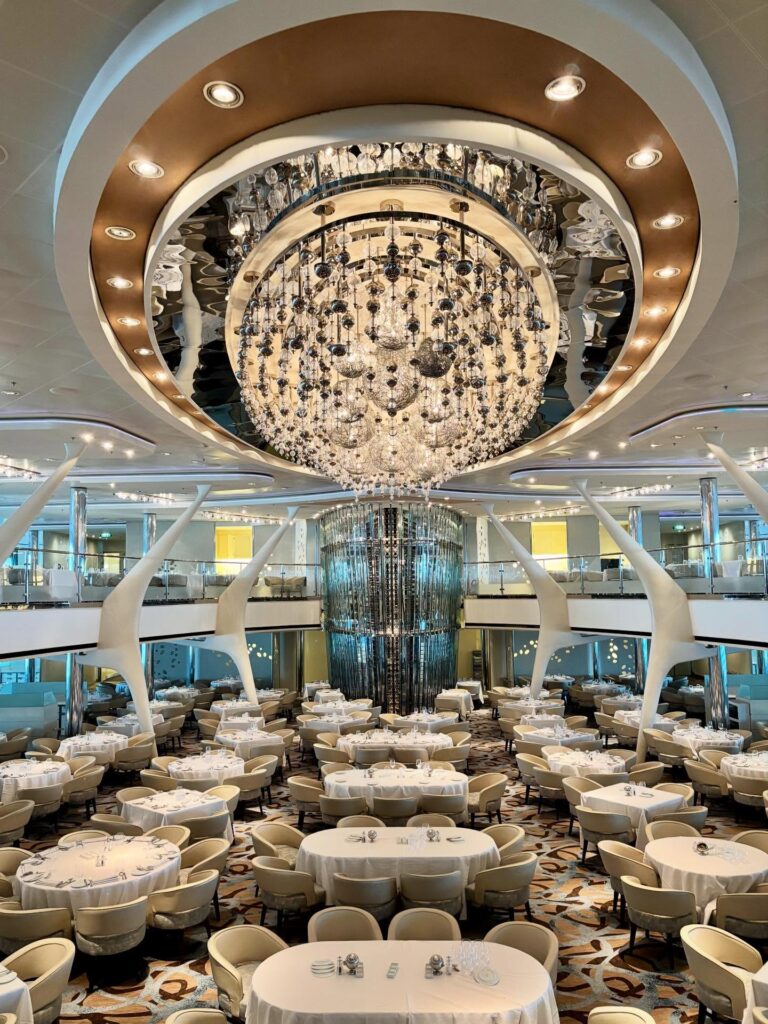
Most cruise lines include gratuities in your fare or apply a daily automatic gratuity charge, which covers dining room and cabin staff.
This means additional tipping isn’t required, though many cruisers still tip a little extra in cash for exceptional service, particularly to a waitstaff member they’ve had all week in assigned dining.
Specialty restaurants often have their own separate gratuity structure, sometimes included in the cover charge and sometimes not — check the specific restaurant’s policy when you book, rather than assuming it matches the main dining room.
What Happens If You’re Late to Dinner
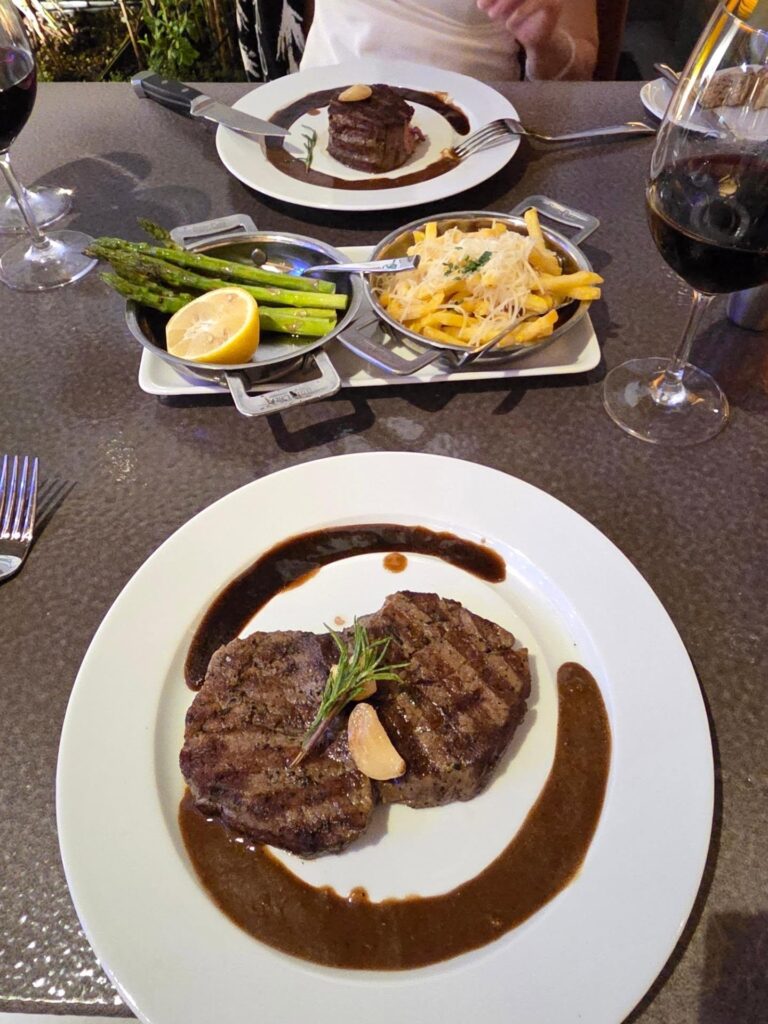
In assigned dining, arriving significantly late can be disruptive both to your tablemates and to the kitchen’s timing for your table. If you know you’ll be late, it’s considered polite to let the dining room host know in advance, or to switch to a specialty restaurant or the buffet for that particular night instead.
Anytime dining removes this concern almost entirely, since there’s no fixed seating time to be late for.
Sharing a Table With Strangers
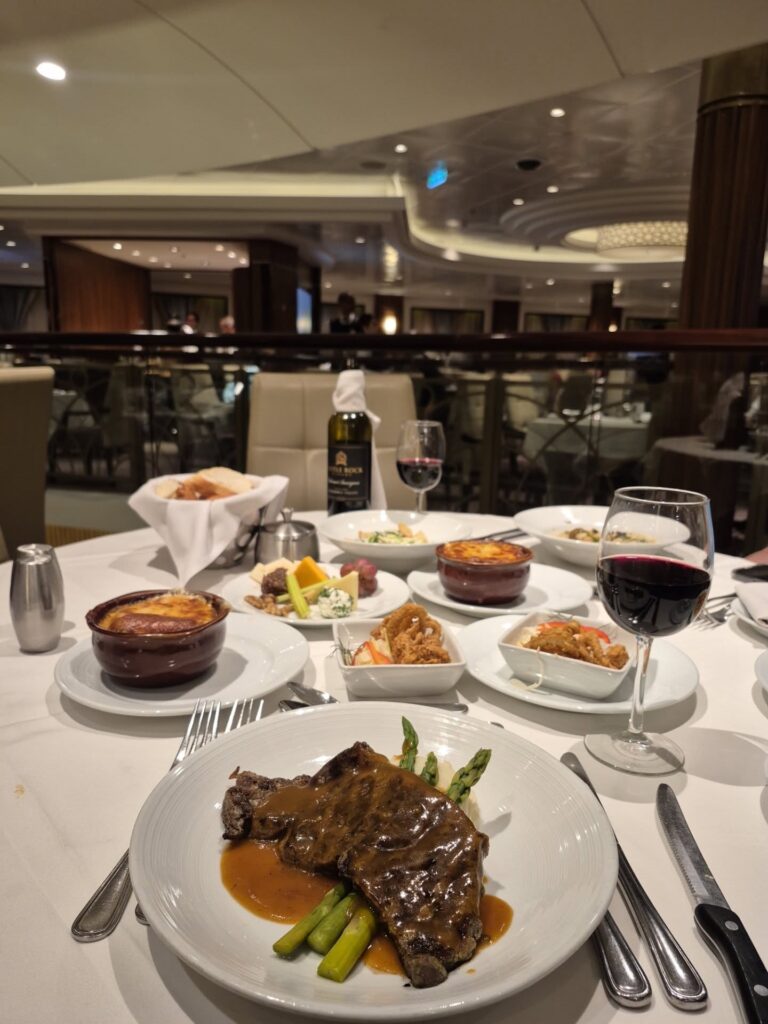
Assigned dining, especially for solo travelers or smaller parties, often means sharing a table with other guests for the week.
This is a normal and expected part of traditional cruise dining — conversation is welcomed but not obligatory, and most cruise lines will accommodate a request for a private table if you’d prefer one, space permitting.
Ordering Multiple Entrees
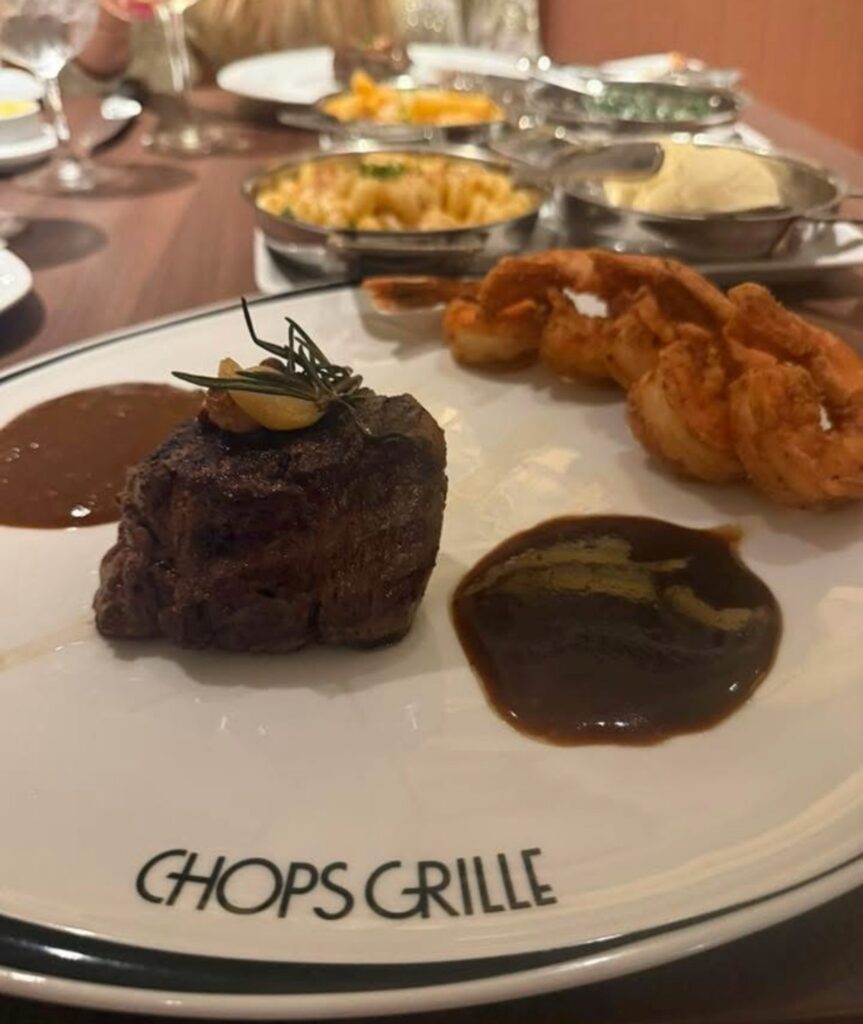
Unlike a typical restaurant, cruise dining rooms generally allow you to order more than one entree if you’re unsure what you’ll enjoy or simply want to try two dishes.
This isn’t considered rude or unusual — it’s a normal part of the all-inclusive dining structure most cruise lines are built around.
Specialty Restaurant Etiquette
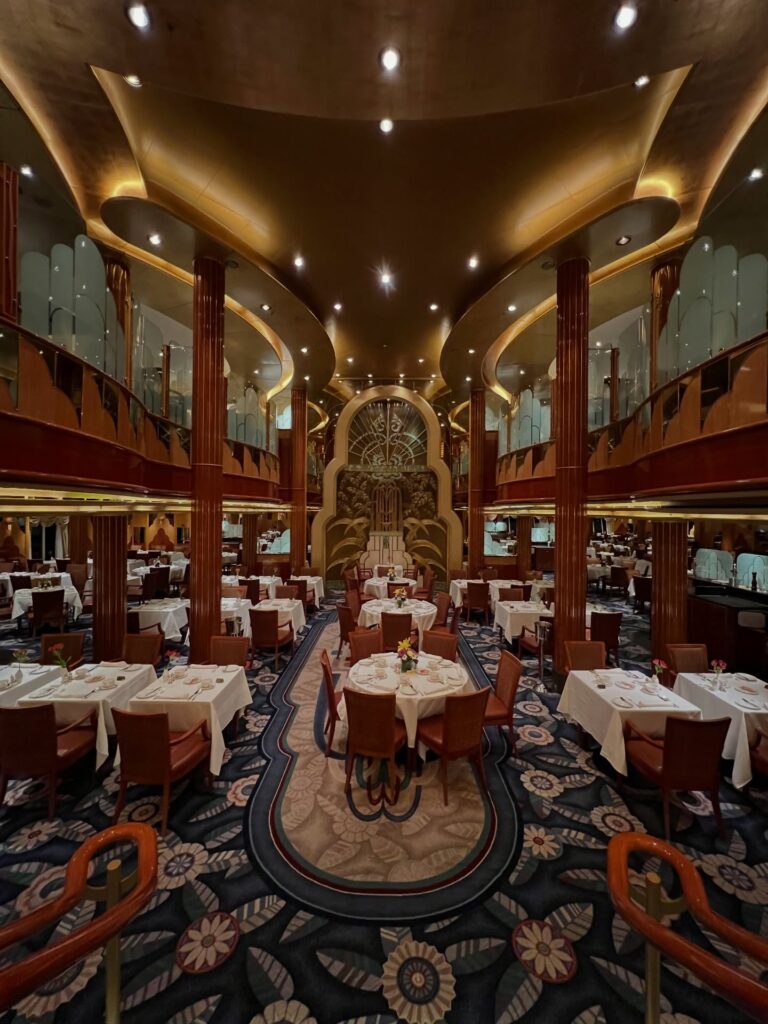
Specialty restaurants usually require advance reservations, often bookable before your cruise even departs, and typically carry an additional cover charge or à la carte pricing.
Arrive on time for your reservation, since specialty venues have tighter table turnover than the main dining room, and cancel in advance if your plans change rather than simply not showing up.
Buffet vs. Dining Room Etiquette
The buffet operates under much more relaxed norms — casual dress, no reservations, and a faster, self-serve pace.
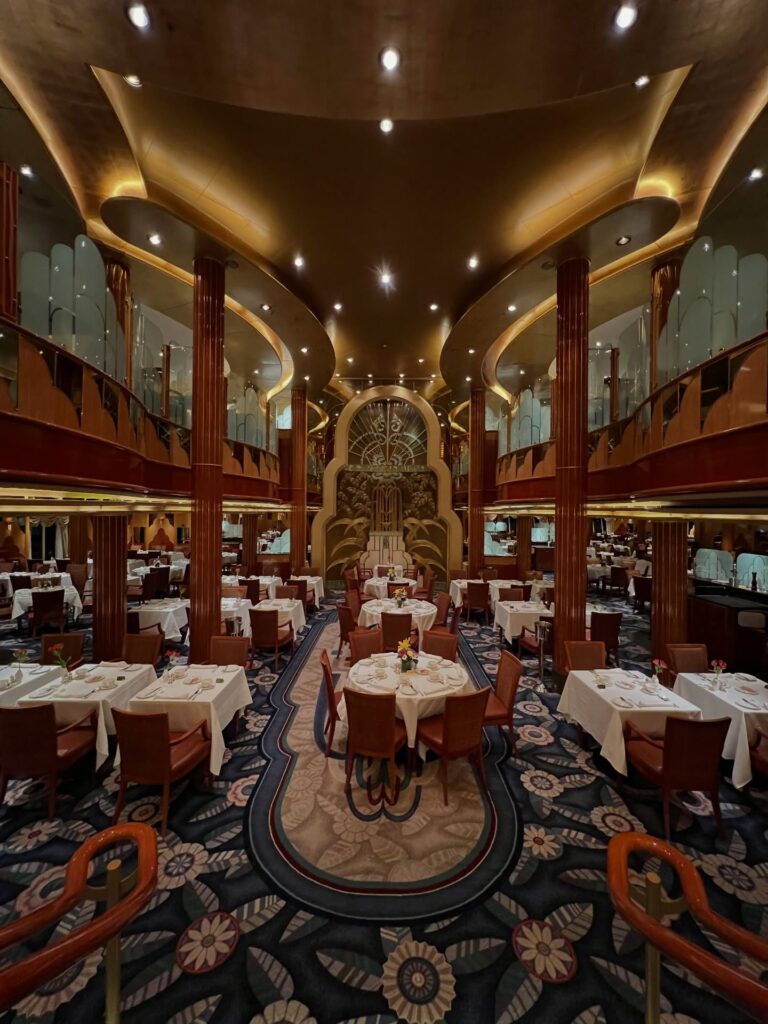
The main dining room expects a bit more formality: waiting to be seated, following the dress code for that evening, and a generally slower, multi-course pace. Understanding which venue you’re in helps you dress and behave appropriately without overthinking it.
Sending Food Back
If a dish genuinely isn’t to your liking or arrives incorrectly, it’s entirely acceptable to send it back through your server, the same as you would at a land-based restaurant.
Most cruise dining staff handle this smoothly and without issue — it’s a normal part of the service, not something to feel awkward about.
Dining With Children
Most main dining rooms and buffets are family-friendly and welcome children of all ages.
Specialty restaurants, however, sometimes have age minimums or a more adult-oriented atmosphere, so it’s worth checking a specific venue’s policy before booking if you’re traveling with kids.
Common Mistakes to Avoid
- Not confirming assigned vs. anytime dining before boarding — this affects how much you need to plan your evenings
- Ignoring dress code nights — showing up in beachwear on a smart casual or formal night can be turned away at some dining rooms
- Assuming tipping is required beyond the auto-gratuity — it’s appreciated but not expected
- Not booking specialty restaurants early — popular time slots fill up fast, especially early in the cruise
- Being significantly late without notifying the dining room — this disrupts both your table and kitchen timing in assigned dining
What I’d Pack Differently
Based on current cruise-line guidance and common traveler feedback, the adjustment first-time cruisers most often wish they’d made is booking specialty restaurant reservations before boarding rather than waiting until day one or two — the best time slots, especially for popular venues, tend to fill up within the first day of the cruise being bookable.
FAQs
Do I have to dress up for dinner every night? No — most nights are casual or smart casual, with only one or two designated formal nights on a typical 7-night sailing.
Is it rude to order two entrees? Not at all — this is a normal and accepted part of cruise dining, unlike most land-based restaurants.
What if I don’t want to share a table with strangers? You can usually request a private table when booking or checking in for dining, though availability depends on the ship and sailing.
Do I need to tip extra if gratuities are already included? No, it’s not required, though many travelers choose to tip a little extra in cash for particularly attentive service throughout the week.

I am Zoe Grace, a passionate enthusiast of cruise ships. With a decade of firsthand experience in the cruising industry, I have developed a deep understanding of the intricacies and wonders that these majestic vessels hold.
Now, I am excited to embark on a new journey as an author, sharing my knowledge and insights with readers who share my fascination for the world of cruising.
Join me as we explore the captivating world of cruise ships together.