Ireland Packing List For Fall Travel: September Through November
Fall in Ireland covers a lot of ground, temperature-wise. A September trip can still feel like a stretched-out summer on a good day, while a November visit is firmly into short, cold, dark days.
What stays consistent across the whole season is rain, wind, and the need for real layers rather than a single “fall jacket.”
This is genuinely one of the best times to see the Irish countryside, with turning leaves, quieter roads, and a moodier, more atmospheric version of the landscapes that get crowded in summer.
Note: This is a complete packing list. If you’d rather travel light, there’s a pack-light section right after it.
What Is the Weather Like in Ireland in Fall?
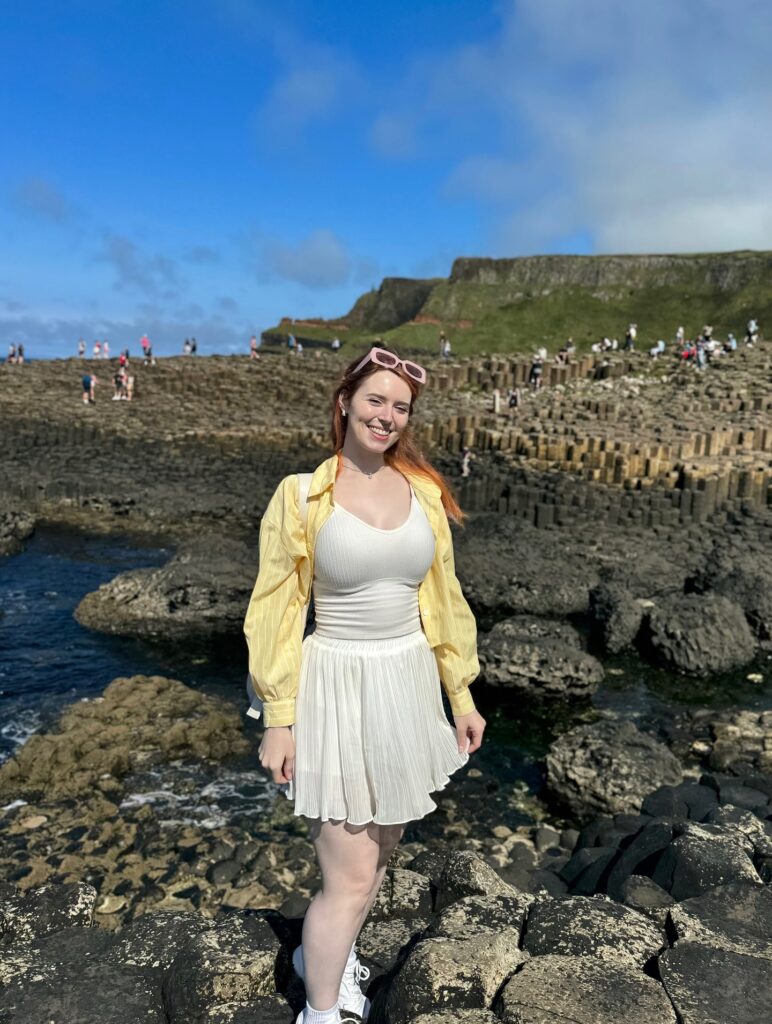
Ireland’s fall weather shifts noticeably across the season. September often runs 13°C to 18°C (55°F–64°F), October cools further to roughly 10°C to 15°C (50°F–59°F), and November typically sits between 6°C and 12°C (43°F–54°F).
Rain and wind are constants throughout, and daylight hours shorten significantly by late autumn, with sunset arriving as early as 4:30 p.m. in November.
Your Complete Ireland Fall Packing List
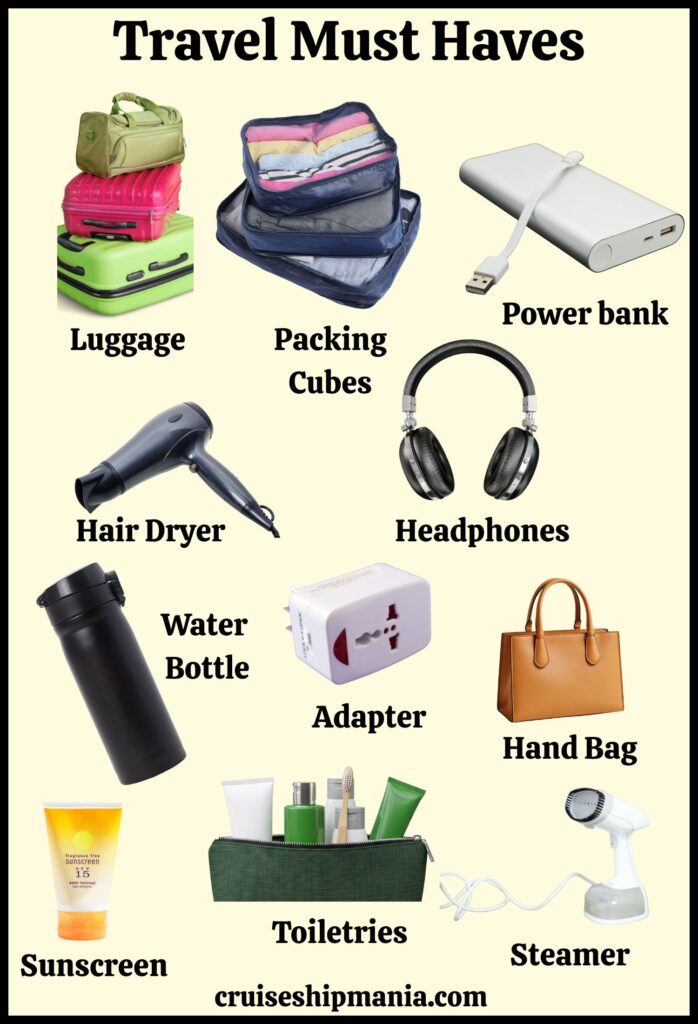
Packing well for an Irish fall trip means building a layering system that can flex across a wide temperature range, prioritizing waterproof everything, and planning around shorter days. Here’s everything worth bringing.
Luggage & Packing Tools
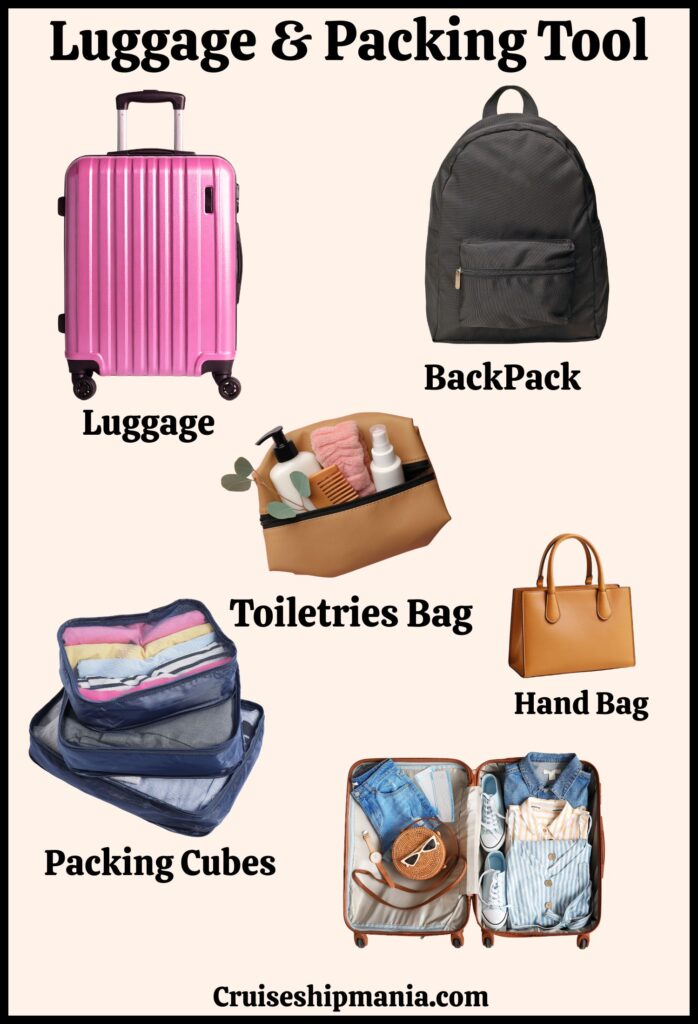
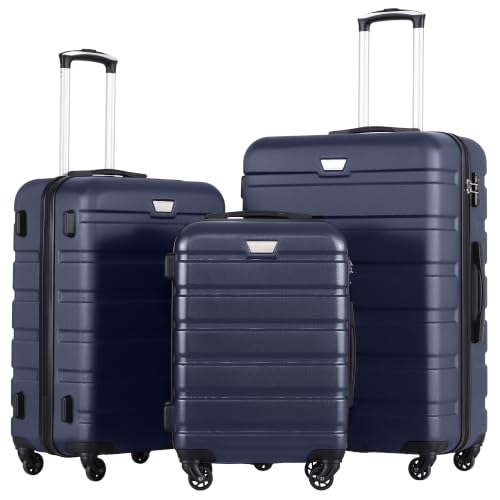
A slightly more compact suitcase makes sense here, since many bed and breakfasts and older hotels have narrow stairs and limited storage space. A packable day bag is useful for day trips to castles, cliffs, or countryside towns.

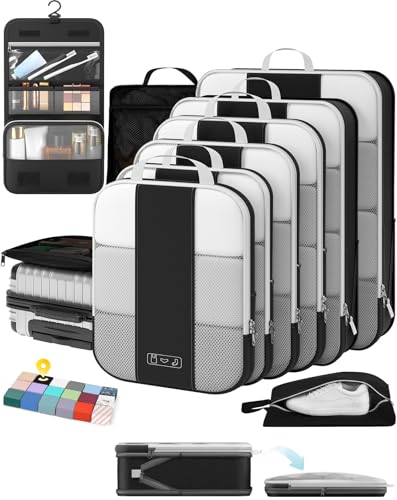
- Mid-size suitcase or a large weekender bag
- Foldable rain-cover backpack for excursions
- Compression packing bags for bulky layers
- Packing cubes set
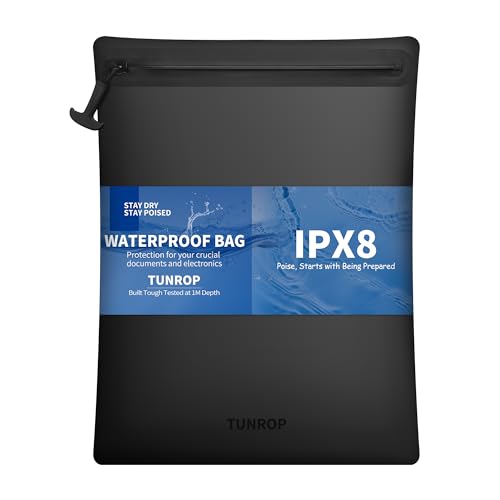
- Waterproof dry bag for wet-weather days
- Small crossbody bag with a secure zipper
- Luggage ID tags
Clothes
Build a layering system flexible enough to handle both a mild September afternoon and a genuinely cold November evening: a breathable base, a warm mid-layer, and a waterproof, windproof shell on top, with an extra warm layer added as the season progresses.


- Waterproof, windproof jacket, ideally with a zip-out warm liner (1)
- Wool or fleece mid-layer sweaters (2)
- Merino wool or thermal base-layer tops (2–3)
- Long-sleeve layering tops (2–3)
- Corduroy or heavier trousers for cooler days (2)
- Thermal leggings for layering under trousers
- A water-resistant pair of trousers if your trip includes hiking
- Sleepwear (1–2)
- Warm wool-blend socks for walking days (5–6)
- Underwear (6–8)
Shoes & Accessories
Waterproof shoes with real tread remain essential all fall, and wet leaves add another slip risk on top of the usual muddy trails. A genuinely warm hat, scarf, and gloves matter more as the season progresses toward November.


- Waterproof, insulated walking or hiking boots (1)
- A second comfortable pair for city days (1)
- A storm-proof umbrella
- A warm wool hat or beanie
- Lined gloves for cooler mornings and evenings
- A wool blanket scarf that adds real warmth, not just style
- Crossbody bag with a secure, zippered closure
- Gaiters for muddy, leaf-covered trails
Skincare
Cooler air and wind dry out skin faster in fall than in summer, so richer, more protective products are worth packing, especially for late-season trips.

- SPF lip balm (still needed even on cloudy days)
- A rich, protective moisturizer for cooler air
- Gentle facial cleanser
- Hydrating face mist
- Hand cream for cool, damp air
- A hydrating overnight mask for late-season dryness
Makeup
Keep it simple and weather-resistant, since wind and rain remain constants throughout the season.
- Tinted moisturizer or lightweight foundation
- Water-resistant mascara
- Cream blush
- Setting spray
- A warmer lip tone for autumn evenings
- Makeup remover wipes
Hair Care
Wind and rain, especially along the coast, remain the biggest challenge for hair all fall. Simple, low-maintenance options hold up better than anything requiring daily heat styling.
- Travel hair dryer
- Anti-frizz serum
- Dry shampoo
- Hair ties and clips
- A warm hat that doubles as a practical hair-day fix
Documents & Essentials
- Passport or valid ID
- Hotel and B&B confirmations
- Car rental documents and international driving permit, if driving
- Travel insurance details
- Credit card and a backup payment method
- Some cash for smaller towns and rural stops
- Emergency contact card
- Printed copies of key confirmations
First Aid
- Blister pads and moleskin
- Pain relievers
- Antihistamine tablets
- Motion sickness tablets for ferries or winding coastal roads
- Antiseptic wipes and bandages
- Hand sanitizer
Health & Hygiene
- Deodorant
- Travel toothbrush and toothpaste
- Hand sanitizer and travel tissues
- Feminine hygiene products
- Contact lenses and solution
- Lip balm with SPF
Tech & Electronics
Ireland uses Type G plugs, the same three-pin standard as the UK. Since daylight hours shorten significantly by late fall, a reliable flashlight or headlamp is worth adding, especially for October and November trips.
🛒 [Insert “Amazon Product” block — e.g. a rechargeable headlamp for early sunsets] 🛒 [Insert “Amazon Product” block — e.g. a UK/Ireland travel adapter with surge protection] 🔘 [Insert “Amazon Button” block — label: “See adapters & chargers”]
- Type G travel adapter
- Power bank
- Phone charging cable and a backup cable
- Rechargeable headlamp or flashlight for shorter daylight hours
- Camera for autumn countryside scenery
- Offline maps downloaded in advance, since rural signal can be spotty
Entertainment
- A book or e-reader for train and car rides
- Downloaded playlists and podcasts
- Small travel journal and pen
- A deck of cards for pub evenings
Extras
- Reusable water bottle
- Zip-top bags for wet or muddy gear
- Small dry bag for electronics on wet excursions
- Stain remover pen
- Mini sewing kit
- A small day pack for hikes and coastal walks
- A flask for tea or coffee on long countryside drives
Travel Tips
- Layer for a wide temperature range, since fall weather shifts noticeably from September to November
- Keep a waterproof shell within reach at all times, even on sunny mornings
- Choose shoes with real tread for cliffside and countryside walks, especially with wet leaves underfoot
- Plan outdoor excursions with earlier sunsets in mind as the season progresses
- Carry a printed or offline map for rural areas with limited signal
- Fall generally sees thinner crowds than summer, making it a good season for flexible, less-booked-out plans
- Pack a genuinely warm layer for evenings, especially for October and November trips
Must-Haves
- Waterproof jacket with a warm liner or removable fleece
- Insulated waterproof walking boots
- A warm hat, scarf, and gloves
- A storm-proof umbrella
- Type G travel adapter
- Reusable water bottle
- Blister pads and moleskin
Good-to-Have
- A rechargeable headlamp for shorter daylight hours
- Motion sickness tablets for coastal roads or ferries
- Offline maps for rural areas
- A dry bag for wet excursions
- A deck of cards for pub evenings
- Gaiters for muddy, leaf-covered trails
What to Bring If You Want to Pack Light
Ireland in fall still rewards a small, flexible layering system over a large wardrobe, adjusted warmer as the season progresses from September toward November.
- One waterproof jacket with a warm liner
- One or two wool sweaters or fleece mid-layers
- 3–4 long-sleeve layering tops
- 2 pairs of sturdy trousers
- One pair of insulated waterproof walking boots
- A warm hat, gloves, and a sturdy umbrella
- Travel-size toiletries in a clear zip bag
What Not to Pack for Ireland in Fall
Leave summer-only pieces at home unless you’re traveling in early September and pairing them with a genuinely warm layer. By October and November, they won’t be enough on their own.
- Flimsy sandals or flip-flops as your primary shoe
- Summer-weight clothing with no warm layer to pair with it
- A flimsy travel umbrella that turns inside out in coastal wind
- A large hard-shell suitcase if your accommodation has narrow stairs
- Only a light cardigan with no genuinely warm mid-layer for evenings
FAQ: Packing for Ireland in Fall
How cold does it get in Ireland in the fall?
It varies across the season: September often runs 13°C to 18°C (55°F–64°F), while November drops to roughly 6°C to 12°C (43°F–54°F). Pack warmer layers the later in the season you’re traveling.
Is fall a good time to visit Ireland?
Many travelers consider it one of the best seasons — quieter roads, turning leaves, and a moodier version of the countryside, though it does mean packing for shorter days and cooler, wetter weather than summer.
What shoes are best for Ireland in the fall?
Waterproof, insulated walking or hiking boots with real tread. Wet leaves add an extra slip risk on top of the usual muddy trails and cliffside paths.
How much daylight is there in Ireland in November?
Daylight hours shorten significantly by November, with sunset arriving as early as 4:30 p.m. in some areas. Plan outdoor excursions earlier in the day and pack a small flashlight or headlamp as backup.
Do I need different packing for September versus November in Ireland?
Yes. September can still feel like a mild extension of summer on a good day, while November calls for genuinely warm layers, insulated boots, and gloves. Adjust your mid-layers based on exactly when you’re traveling.
What should I pack for a week in Ireland in the fall?
Focus on a waterproof jacket with a warm liner, one or two wool sweaters, 4–5 long-sleeve tops, 2 pairs of sturdy trousers, insulated waterproof boots, a warm hat and gloves, and a sturdy umbrella. Adjust warmth based on your specific travel month.

I am Zoe Grace, a passionate enthusiast of cruise ships. With a decade of firsthand experience in the cruising industry, I have developed a deep understanding of the intricacies and wonders that these majestic vessels hold.
Now, I am excited to embark on a new journey as an author, sharing my knowledge and insights with readers who share my fascination for the world of cruising.
Join me as we explore the captivating world of cruise ships together.