Alaska Cruise Capsule Wardrobe: 15 Pieces, 20+ Outfits
For an Alaska cruise, build your capsule wardrobe around waterproof layers, moisture-wicking base pieces, and one warm dinner outfit.
The biggest packing mistake is bringing bulky cotton sweaters instead of thin layers you can add or remove as the weather shifts between chilly mornings, mild afternoons, and sudden rain on excursion days.
Below is a full 15-piece capsule wardrobe, exact outfit combinations, and the mistakes most first-time Alaska cruisers make.
Why a Capsule Wardrobe Works for an Alaska Cruise
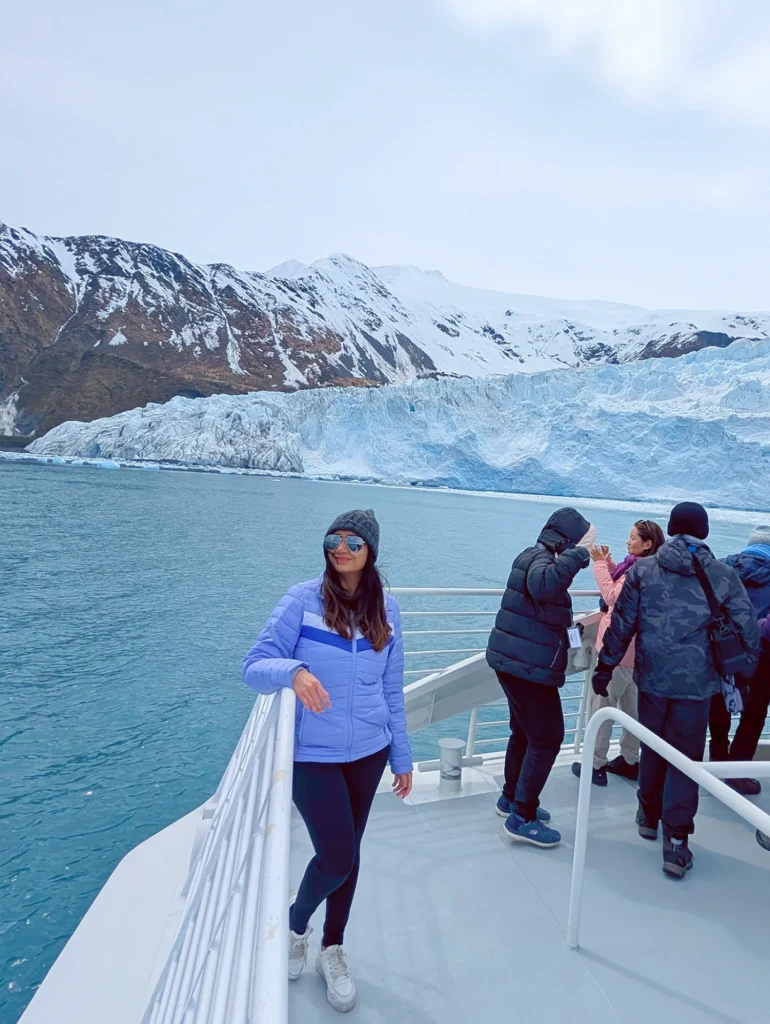
Alaska’s weather changes fast — you can start the morning at 45°F on deck and end the afternoon layered down to a t-shirt during a sunny glacier viewing.
Unlike a Caribbean cruise where you pack for one climate, Alaska sailings move through several microclimates in a single day: cold open water, misty rainforest ports, and occasional bright, dry afternoons in towns like Skagway or Juneau.
A capsule wardrobe solves this by giving you a small set of pieces that layer together in different combinations, so you’re prepared for temperature swings without overpacking or checking a second bag.
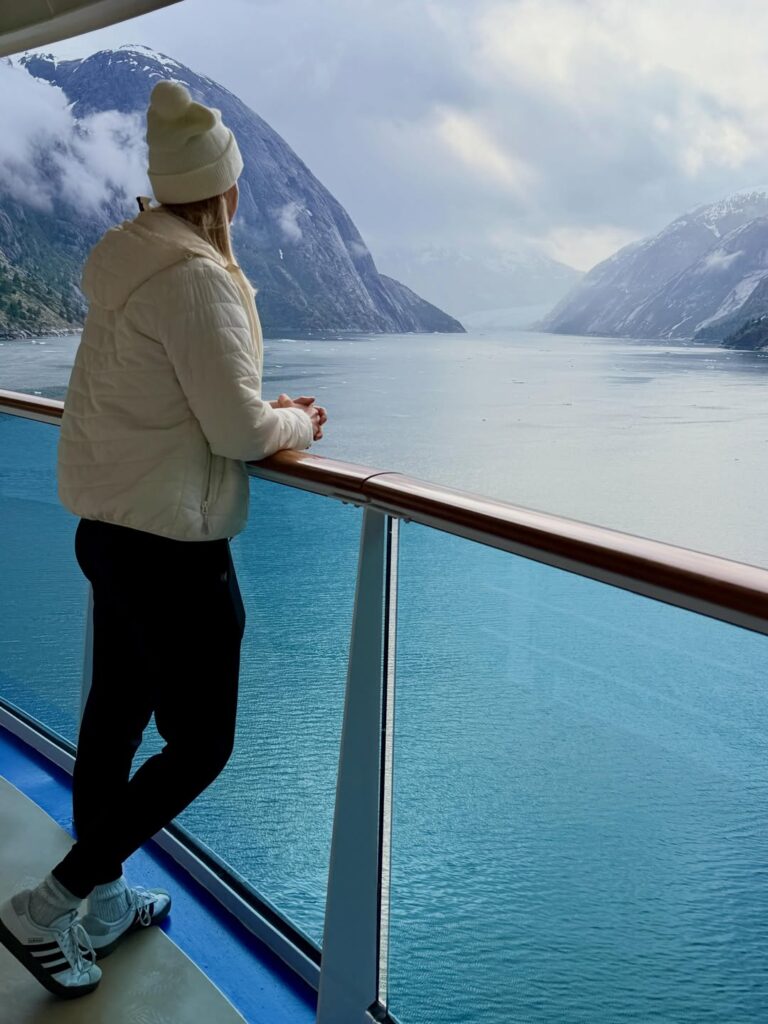
Instead of packing one outfit per day, you pack 15 pieces that combine into 20+ outfits — which also means less luggage to manage between embarkation, excursions, and transfers.
The Alaska Cruise Capsule Wardrobe Checklist
| Category | Pieces | Purpose |
|---|---|---|
| Base layers | 3 long-sleeve thermal tops, 1 short-sleeve tee | Moisture-wicking, worn alone or under layers |
| Mid layers | 1 fleece pullover, 1 cardigan, 1 flannel shirt | Warmth without bulk |
| Outer layer | 1 waterproof rain jacket, 1 packable puffer vest | Wind and rain protection |
| Bottoms | 2 pairs jeans, 1 pair leggings, 1 pair joggers | Mix-and-match with all tops |
| Footwear | 1 pair waterproof walking shoes, 1 pair sneakers | Wet decks and shore excursions |
| Accessories | Beanie, scarf, gloves, sunglasses | Wind and sun protection |
| Formal night | 1 dress or blazer set | Covers one dressier dinner |
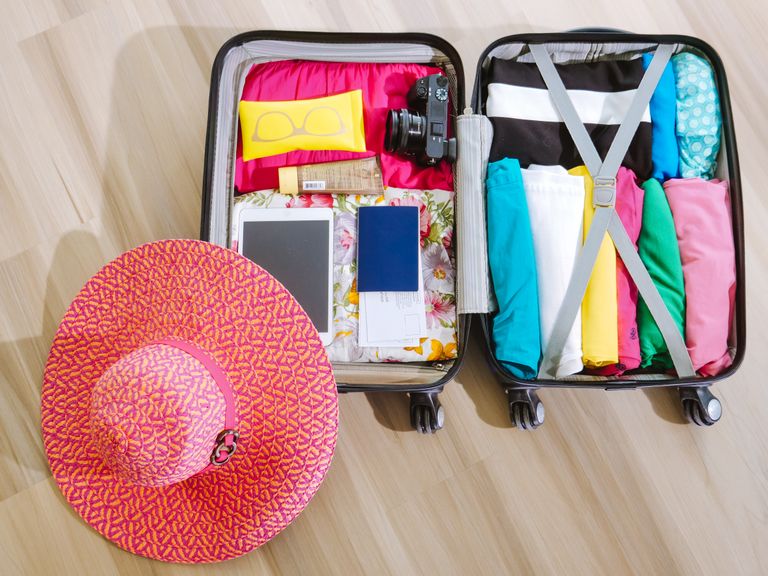
That’s 15 core pieces (not counting accessories), all chosen because they layer with at least two or three other items in the list. Nothing in this capsule is a “one outfit only” piece.
Base Layers
Pack thin, moisture-wicking long-sleeve tops rather than heavy cotton shirts. They dry faster if they get wet on a shore excursion, pack down small, and don’t add bulk under a fleece or rain jacket — which matters since you’ll likely wear the same 3–4 base pieces on rotation across the trip.

Stick to neutral colors (black, white, grey, navy) for your base layers specifically, since these are the pieces you’ll repeat most often and mixing prints here makes repeat-wear more obvious in photos. One short-sleeve tee is enough — most days you’ll be layering over it rather than wearing it alone.
Mid Layers
A fleece pullover and a cardigan cover most onboard and evening temperatures. The fleece is your excursion piece — quick to put on, warm even slightly damp, and easy to tie around your waist once the sun comes out.
The cardigan is your onboard piece — worn over a tee in the dining room or lounging in a cabin that runs cool.


A flannel shirt doubles as both a light jacket over a tee and a layering piece under your rain jacket on colder excursion mornings. It’s also the most “port town” appropriate piece in the capsule — flannel reads casual-cool in Skagway or Ketchikan without looking like technical gear.
Outer Layers
A waterproof, windproof rain jacket is the single most important item on this list — Alaska ports see rain even in peak summer months, and wind off the water makes a non-waterproof jacket nearly useless. Choose one with a hood, since umbrellas are impractical on windy decks and during most shore excursions.


A packable puffer vest adds warmth for glacier viewing or early morning deck time without the bulk of a full winter coat. Worn under the rain jacket, it becomes your warmest combination for the coldest parts of the cruise — typically glacier days and early morning deck viewing before sunrise.
Bottoms
Jeans work for both port days and casual dinners, and a dark wash hides travel wear well across a week-long trip.
Leggings or joggers are better for excursion days involving hiking, kayaking, or long walks, since denim stays wet and cold once soaked and takes much longer to dry than synthetic fabrics.


Pack two pairs of jeans (one dark, one lighter or different cut) so you’re not repeating the exact same bottom in every dinner photo, plus one pair each of leggings and joggers for activity days.
Footwear
Bring one pair of waterproof, non-slip walking shoes for excursions and wet decks, plus a lighter pair of sneakers for onboard days and warmer ports.
Skip heels or open sandals — Alaska’s ports are rarely dry or flat, and cobblestone or gravel excursion paths make heeled shoes impractical even for a “dressy” port day.

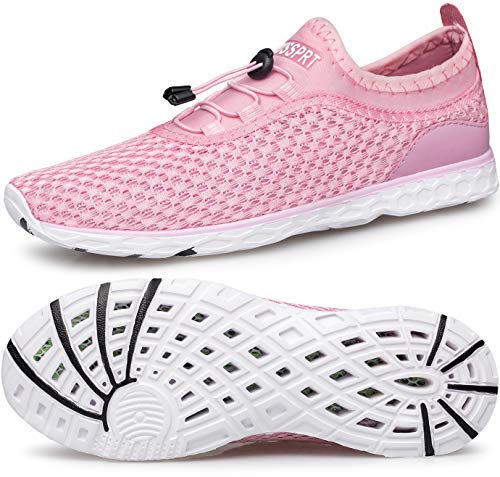
If your itinerary includes a specific activity like a glacier hike or a rainforest walk, check the excursion’s footwear requirements in advance — some operators require full hiking boots, which would replace one of your two shoe slots rather than add a third pair.
Accessories
A beanie, scarf, and gloves matter more on an Alaska cruise than almost any other itinerary, since wind chill on open decks is consistently colder than the air temperature alone would suggest.


Sunglasses are still worth packing — glacier glare on a clear day is intense even in cool temperatures.
One Formal Night Option
Most Alaska sailings have one optional dressier evening rather than the nightly formal nights common on longer or more traditional cruises.


A single versatile dress, or a blazer-and-trouser set, covers this without needing a separate formal wardrobe — pair it with the scarf or accessories you already packed rather than buying dedicated formal-night accessories.
Sample Outfit Combinations
With the 15 pieces above, you can build outfits like:
- Thermal top + jeans + fleece + rain jacket — cold, wet excursion day
- Tee + leggings + cardigan — onboard lounging
- Thermal top + joggers + puffer vest — glacier viewing
- Flannel shirt + jeans + beanie — casual port day
- Tee + jeans + cardigan + scarf — dinner on a mild evening
- Thermal top + leggings + fleece + gloves — early morning deck viewing
- Formal dress + scarf — dinner night
- Flannel shirt + joggers + rain jacket — rainy port day
Rotating just these combinations across a 7-night itinerary means you rarely repeat an identical outfit while only packing 15 core pieces.
Packing by Month: What Changes
Alaska cruise season runs roughly May through September, and the layering balance shifts slightly by month:
- May and September — Add a second mid-layer and lean more on the puffer vest; mornings and evenings run colder at the shoulder season.
- June through August — Peak season is milder but wetter; prioritize the rain jacket over extra warmth layers.
- Any month — Pack for rain regardless of the calendar; Southeast Alaska’s rainforest climate doesn’t follow a predictable dry season.
Common Mistakes to Avoid
- Packing only cotton — it stays wet and cold; prioritize synthetic or wool-blend layers instead
- Skipping the rain jacket — even July sailings see regular rain in Southeast Alaska
- Overpacking formalwear — one outfit is enough for most mainstream itineraries
- Forgetting a beanie or gloves — wind on deck is colder than the air temperature suggests
- Bringing only sandals or heels — wet, uneven surfaces need real tread
- Packing one heavy coat instead of layers — a single coat can’t adapt to a day that swings 20 degrees
What I’d Pack Differently
Based on current cruise-line guidance and common traveler feedback, the layers travelers most often wish they’d packed are a second mid-layer (a cardigan and a fleece, not just one) and gloves — deck temperatures during glacier days consistently surprise first-time Alaska cruisers more than the ports themselves. Many also report over-packing formalwear they never wore, since most Alaska sailings keep dress codes casual outside of one designated evening.
FAQs
Do I need a rain jacket even in summer? Yes. Southeast Alaska is a rainforest climate, and rain is common even during the June–August sailing season, regardless of how sunny the forecast looks the day before.
Can I get away with just jeans and no leggings? You can, but leggings or joggers dry faster and move better for hiking or kayaking excursions, and are more comfortable for long walking days in port.
Is one formal outfit really enough? For most mainstream cruise lines, yes — Alaska sailings typically have one or two dressier evenings, not nightly formal nights like some traditional itineraries.
Do I need separate excursion clothes? Not usually — your capsule’s fleece, rain jacket, and waterproof shoes cover most standard excursions. Only specialized activities like glacier hiking may require gear beyond this list.
How many pairs of shoes should I actually pack? Two is enough for most itineraries: one waterproof walking shoe and one lighter sneaker. Add a third only if a specific excursion requires dedicated hiking boots.

I am Zoe Grace, a passionate enthusiast of cruise ships. With a decade of firsthand experience in the cruising industry, I have developed a deep understanding of the intricacies and wonders that these majestic vessels hold.
Now, I am excited to embark on a new journey as an author, sharing my knowledge and insights with readers who share my fascination for the world of cruising.
Join me as we explore the captivating world of cruise ships together.