What To Pack For Japan In August: Heat, Humidity, and Rain-Ready
Packing for Japan in August means preparing for a kind of heat most people don’t expect: not just hot, but relentlessly humid.
Tokyo, Kyoto, and Osaka regularly sit above 33°C (91°F) with humidity that makes it feel hotter, and the combination means you sweat constantly, even standing still.
August also overlaps with typhoon season, so sudden downpours and windy days are a real possibility, not a rare exception. A packable rain layer isn’t optional here — it’s daily equipment.
The other detail people miss is footwear culture. Many temples, traditional restaurants, and some accommodations require removing your shoes, so easy slip-on shoes and clean, presentable socks matter more in Japan than almost anywhere else you’ll travel.
Note: This is a complete packing list. If you’d rather travel light, there’s a pack-light section near the end.
What Is the Weather Like in Japan in August?
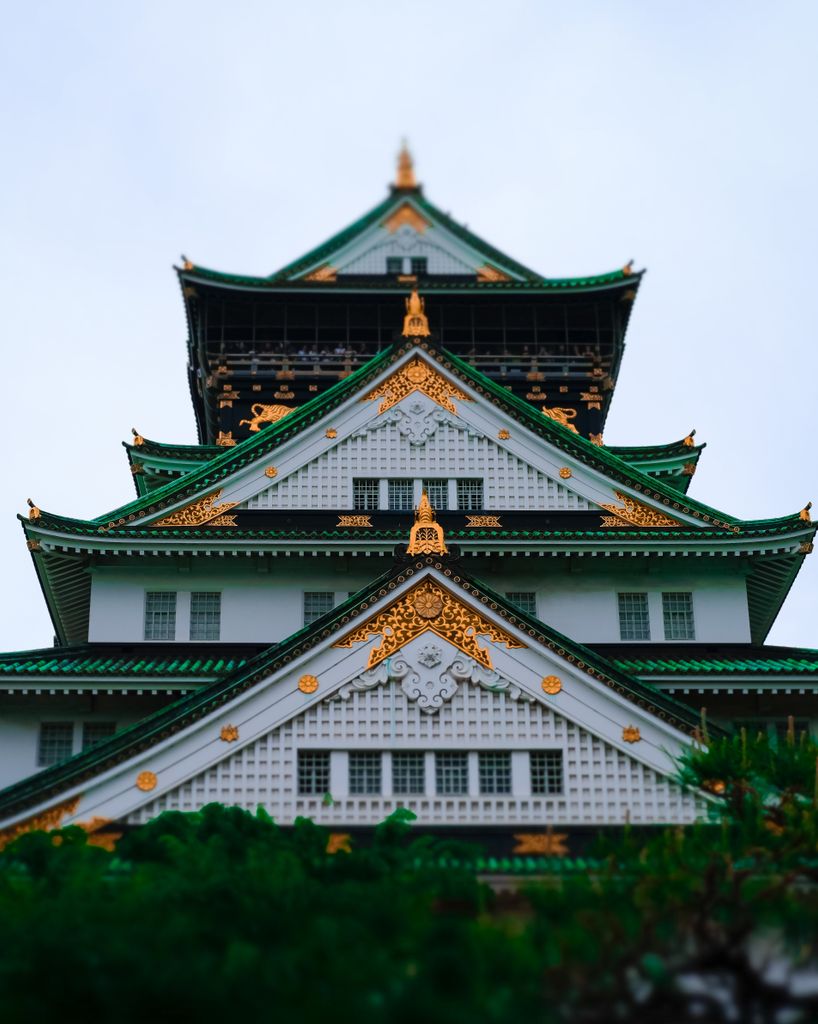
Japan in August is hot and very humid across most of the country, with daytime highs typically between 30°C and 35°C (86°F–95°F) in cities like Tokyo, Osaka, and Kyoto.
Humidity often sits above 70%, making the heat feel more intense than the thermometer suggests. August is also peak typhoon season, so expect the possibility of heavy rain and strong wind on some days, alongside long stretches of sun.
Your Complete What To Pack For Japan In August
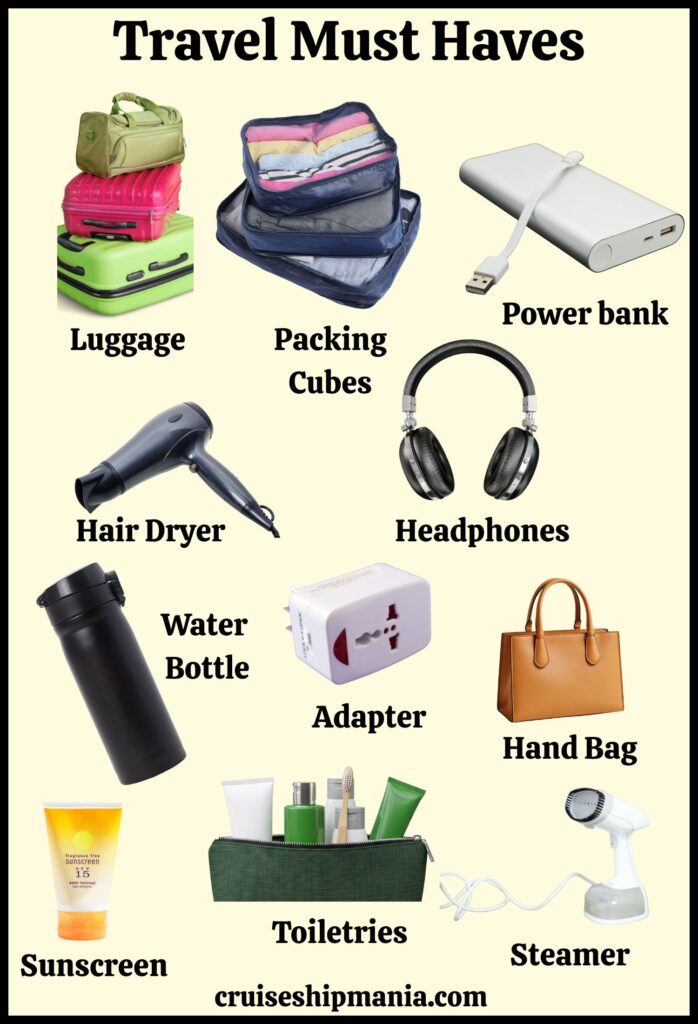
Packing well for Japan in August means managing heat and humidity all day, staying ready for sudden rain, and having appropriate footwear for the many places where shoes come off. Here’s everything worth bringing.
Luggage & Packing Tools
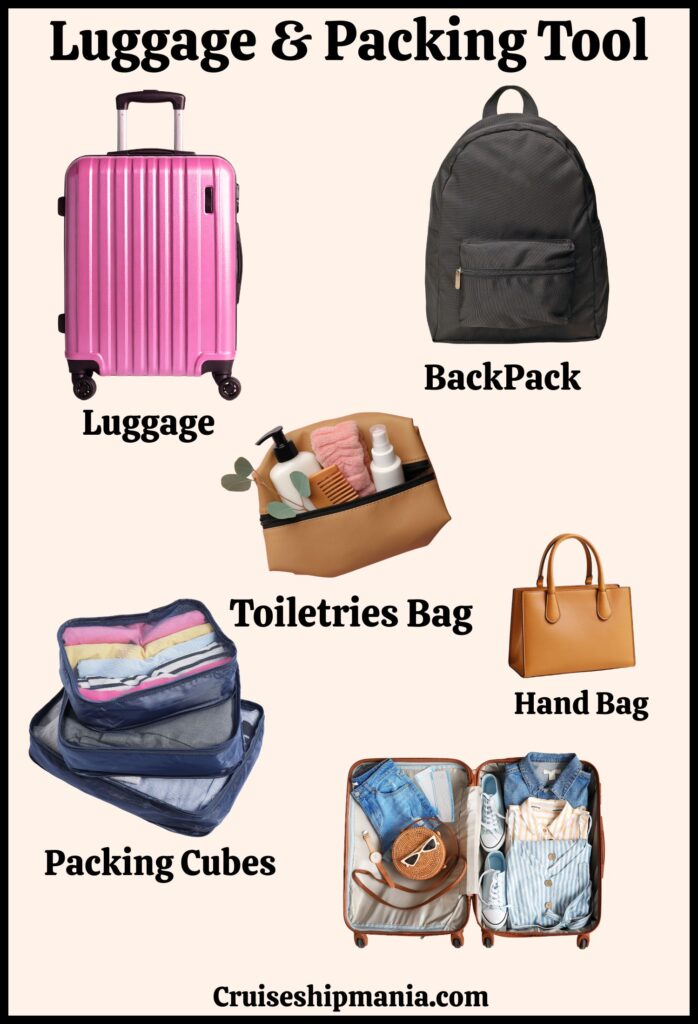
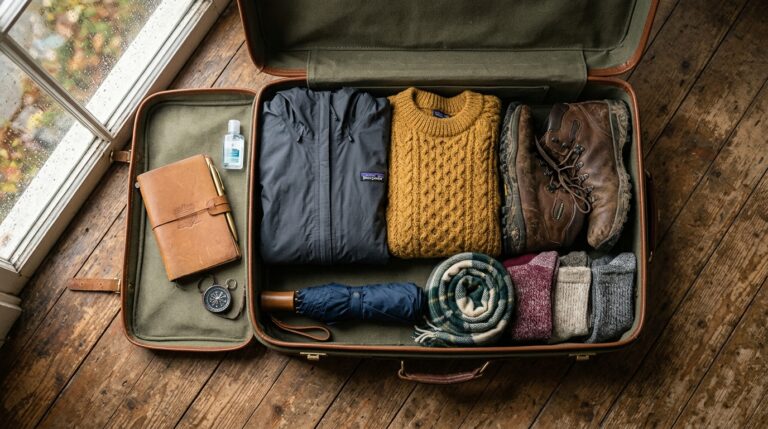
Japanese trains, especially the shinkansen, have limited luggage space, so a slightly smaller, well-organized suitcase moves easier than an oversized one. A packable day bag is useful since you’ll want a light bag for day trips separate from your main luggage.


- Compact carry-on or mid-size suitcase
- Packable day bag or small backpack
- Moisture-wicking packing cubes set
- Compression bags for humidity-prone bulky items
- Foldable rain cover for your daypack
- Small crossbody bag with a secure zipper
- Foldable tote for convenience store and market stops
- Luggage ID tags
Clothes
Breathable, moisture-wicking fabrics are essential in this humidity — cotton, linen, and technical moisture-wicking blends all outperform anything synthetic and clingy. Pack one modest outfit for temple and shrine visits, since some sites expect covered shoulders and knees.


- Moisture-wicking tops or breathable T-shirts (5–7)
- Lightweight dresses or skirts (2–3)
- Breathable shorts or lightweight trousers (2–3)
- A UV-protective long-sleeve shirt for sun without extra sunscreen reapplication
- One modest outfit for temples and shrines (covered shoulders and knees)
- A lightweight, packable rain jacket (1)
- A thin cardigan for over-cooled trains, malls, and restaurants (1)
- Sleepwear that stays cool at night (2)
- Breathable underwear (7–10)
- No-show socks and a couple of presentable pairs for shoe-off situations (5–6)
- Swimsuit if your trip includes onsen or beach areas (1)
Shoes & Accessories
Easy slip-on shoes matter enormously in Japan, since temples, some restaurants, and certain accommodations require removing footwear. Bring shoes without complicated laces and socks that are always clean and presentable.


- Easy slip-on walking shoes (1)
- A second breathable pair for rotating days (1)
- Rugged, typhoon-rated compact umbrella
- Sun hat or cap for strong sun
- Sunglasses with UV protection
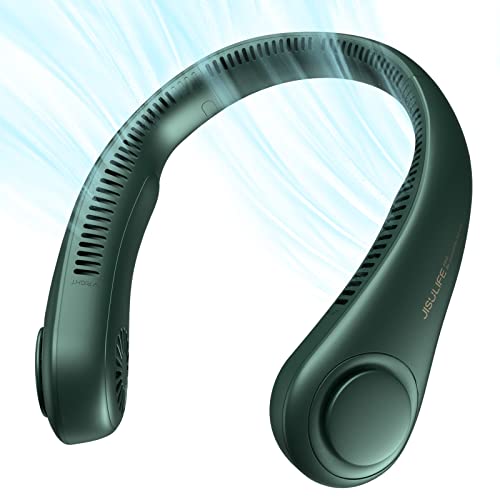
- A neck-worn or handheld portable fan for outdoor heat
- Crossbody bag with a secure zipper
- Cooling towel for outdoor sightseeing
Skincare
Heat and humidity mean sweat-resistant, lightweight products work far better than heavier formulas. Sunscreen matters even on cloudy days, and blotting papers are a genuine lifesaver in this climate.


- Broad-spectrum face sunscreen SPF 50
- Broad-spectrum body sunscreen SPF 50
- Oil-control blotting papers
- Lightweight, gel-based moisturizer
- Gentle foaming cleanser
- Hydrating facial mist
- SPF lip balm
- Anti-chafe balm for heat and walking
Makeup
Humidity works against most makeup, so long-wear, waterproof, and mattifying products hold up far better than anything heavy.
- Tinted moisturizer or a lightweight skin tint
- Waterproof mascara
- Long-wear concealer
- Mattifying setting powder
- Setting spray
- Cream blush or cheek tint
- Travel makeup remover wipes
Hair Care
Humidity is the biggest challenge for hair in Japan in August. Anti-frizz products and simple, low-maintenance styles hold up far better than anything requiring daily heat styling.
- Travel hair dryer
- Anti-frizz serum
- Dry shampoo
- Leave-in conditioner spray
- Hair ties and clips
- A compact umbrella hat or visor for extra humidity protection
Documents & Essentials


- Passport
- Japan Rail Pass or train tickets, if applicable
- Hotel and reservation confirmations
- Travel insurance details
- Credit card and a backup payment method
- Cash in yen (many smaller places are still cash-only)
- Emergency contact card
- Printed copies of key confirmations
First Aid

- Blister pads and moleskin
- Pain relievers
- Antihistamine tablets
- Motion sickness tablets for trains or ferries
- Antiseptic wipes and bandages
- Hand sanitizer
Health & Hygiene
- Deodorant (stronger formulas are harder to find locally)
- Travel toothbrush and toothpaste
- Hand sanitizer and travel tissues (public restrooms may not provide paper towels)
- Feminine hygiene products
- Contact lenses and solution
- Cooling body wipes for a quick refresh
Tech & Electronics
Japan uses Type A plugs at 100V, similar to the US but with a different voltage, so most modern electronics adapt automatically — a simple plug adapter usually covers it. A pocket Wi-Fi device or eSIM is worth arranging before you arrive.
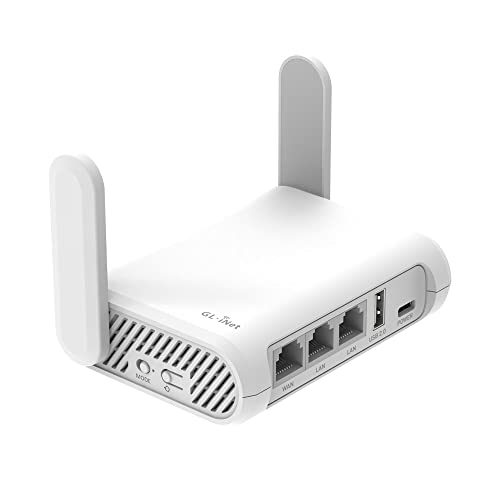


- Compact travel plug adapter
- Power bank (useful for long days of navigation and photos)
- Phone charging cable and a backup cable
- Pocket Wi-Fi device or eSIM arranged in advance
- Camera for architecture, gardens, and city scenes
- Offline maps and translation app downloaded in advance
Entertainment
- A book or e-reader for train rides
- Downloaded playlists and podcasts
- Small travel journal and pen
- An offline translation app
- A compact guidebook or bookmarked itinerary
Extras
- Reusable water bottle
- A small handheld or neck fan (widely used and genuinely useful)
- Cooling towel for outdoor heat
- Zip-top bags for snacks and wet items
- Travel-size laundry detergent sheets
- Small pouch of tissues and a handkerchief (public restrooms often lack paper towels)
- A collapsible cup for convenience store drinks
Travel Tips
- Carry a small towel or handkerchief, since public restrooms often don’t provide paper towels
- Keep a compact umbrella with you at all times during typhoon season
- Choose slip-on shoes for temples, traditional restaurants, and some accommodations
- Carry cash, since many smaller shops and restaurants don’t accept cards
- Refill your water bottle often and take shade breaks during peak heat hours
- Download offline maps and a translation app before you arrive
- Dress modestly for shrine and temple visits, especially covered shoulders and knees
Must-Haves
- Broad-spectrum sunscreen SPF 50
- A rugged, typhoon-rated travel umbrella
- Easy slip-on walking shoes
- A small handheld or neck fan
- Reusable water bottle
- Cash in yen
- Blister pads and moleskin
Good-to-Have
- Cooling towel for outdoor sightseeing
- Portable Wi-Fi device or eSIM
- Offline translation app
- A modest outfit for temples and shrines
- Dry shampoo
- A UV-protective long-sleeve shirt
What to Bring If You Want to Pack Light
Japan in August rewards a small, breathable wardrobe more than a large one, since the heat and humidity mean you’ll want a fresh top daily. Stick to pieces that mix and match and work for both cities and temple visits.
- 3–4 breathable, moisture-wicking tops
- 1–2 lightweight dresses or skirts
- One pair of breathable trousers or shorts
- One pair of easy slip-on walking shoes
- A packable rain jacket
- A thin cardigan for AC indoors
- Sunglasses, a hat, and travel-size sunscreen
What Not to Pack for Japan in August
Leave heavy fabrics and anything requiring ironing at home — humidity makes both impractical, and many accommodations have limited space to hang or dry clothes.
- Heavy jeans or thick fabrics for daytime
- Shoes with complicated laces you’ll be removing constantly
- Sleeveless tops with nothing to cover shoulders for temple visits
- A large, bulky umbrella instead of a compact one
- A full bottle of sunscreen and toiletries you can easily buy locally at a convenience store or drugstore
FAQ: Packing for Japan in August
Is August too hot to visit Japan?
It’s genuinely hot and very humid, often 30–35°C (86–95°F) with humidity above 70%, but manageable with breathable clothing, frequent hydration, and pacing your day around the hottest hours. Many attractions and transit are well air-conditioned.
Do I need rain gear for Japan in August?
Yes. August overlaps with typhoon season, so sudden heavy rain and wind are a real possibility even on days that start sunny. A packable rain jacket and a sturdy compact umbrella should be with you daily.
What shoes are best for Japan in August?
Breathable, easy slip-on shoes. Many temples, some traditional restaurants, and certain accommodations require removing your shoes, so laces you have to tie and untie repeatedly become a hassle fast.
What should you not wear at Japanese temples and shrines?
Sleeveless tops, very short shorts, and generally overly casual or revealing clothing are best avoided at temples and shrines. Covered shoulders and knees are a safe standard to follow.
Do I need a plug adapter for Japan?
Most travelers need only a simple Type A plug adapter, since Japan’s voltage is close to that of the US. Double-check any high-wattage devices, as Japan runs slightly lower voltage than some countries.
What should I pack for a week in Japan in August?
Focus on 5–6 breathable tops, 2 lightweight dresses or skirts, one pair of easy slip-on shoes, a packable rain jacket, a thin cardigan for AC, sunglasses, a hat, and sunscreen. A handheld fan and cooling towel earn their space quickly in this heat.

I am Zoe Grace, a passionate enthusiast of cruise ships. With a decade of firsthand experience in the cruising industry, I have developed a deep understanding of the intricacies and wonders that these majestic vessels hold.
Now, I am excited to embark on a new journey as an author, sharing my knowledge and insights with readers who share my fascination for the world of cruising.
Join me as we explore the captivating world of cruise ships together.