
Alaska Cruise Carry-On Essentials: 15 Items You’ll Actually Use
For an Alaska cruise, your carry-on should cover the first few hours onboard before checked luggage arrives, plus anything you need for embarkation day itself — travel documents, medications, a light layer, and a portable charger.
The biggest mistake is packing a carry-on for the flight only and forgetting it also has to get you through embarkation, muster drill, and your first dinner if your suitcase is delayed.
Why Your Alaska Cruise Carry-On Matters More Than You Think
Unlike a beach cruise where you might wait poolside for bags to arrive, Alaska embarkation days are often cool, damp, and involve walking through terminals, security lines, and sometimes outdoor gangways before you ever reach your cabin.

Checked luggage can take several hours to arrive at your door, and on busy embarkation days, delays of 4–6 hours aren’t unusual.
That means your carry-on isn’t just for the flight — it’s your safety net for weather, documents, and comfort on the single most chaotic day of the cruise.
A well-packed Alaska carry-on also protects you if checked bags are misrouted entirely, which happens more often on itineraries with connecting flights into smaller Alaska gateway airports like Anchorage or Seattle.
The Alaska Cruise Carry-On Checklist
| Category | Item | Why It Matters |
|---|---|---|
| Documents | Passport, boarding pass, cruise documents | Required for embarkation |
| Documents | Printed excursion confirmations | Backup if WiFi is limited |
| Health | Prescription medications | Never check essential medication |
| Health | Motion sickness tablets | Open water can be rough |
| Layering | Packable rain jacket | Ports and terminals are often wet |
| Layering | Light sweater or fleece | Terminals and outdoor areas run cool |
| Tech | Phone charger and portable battery | Long embarkation days drain phones fast |
| Tech | Camera or extra phone storage | Glacier views start before bags arrive |
| Comfort | Swimsuit (if using the pool day one) | Avoids waiting on checked luggage |
| Comfort | Change of clothes | Covers delays or spills |
| Comfort | Reusable water bottle | Terminals can be dehydrating |
| Toiletries | Travel-size toiletry kit | In case bags arrive late |
| Toiletries | Sunscreen and lip balm | Glacier glare is stronger than expected |
| Money | Cash in small bills | Tipping and small port purchases |
| Safety | Copy of travel insurance details | Useful if anything goes wrong early |
1. Passport and Boarding Documents
Keep your passport, cruise boarding documents, and any required visas in one easily accessible pouch.

Alaska sailings that include Canadian ports (like Victoria) often require passport checks at embarkation, and digging through a packed suitcase at the terminal slows down the entire boarding line.
2. Printed Excursion Confirmations
Cell service is inconsistent at many Alaska ports and terminals. A printed or downloaded (offline-accessible) copy of your excursion bookings means you’re not relying on WiFi the moment you need to check details.
3. Prescription Medications
Never pack essential medication in checked luggage on any cruise, but it matters even more here — if your bag is delayed several hours on embarkation day, you don’t want to be without medication you need that afternoon or evening.

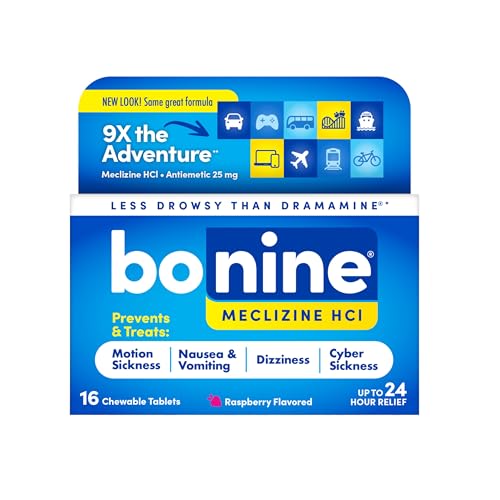
4. Motion Sickness Tablets
Alaska’s Inside Passage is generally calm, but open-water crossings and small boat excursions can still cause seasickness for sensitive travelers. Packing tablets in your carry-on means you’re not searching the ship’s shop on day one.
5. Packable Rain Jacket
Embarkation terminals are frequently outdoors or semi-covered, and Alaska ports see rain even in peak summer months.

A packable rain jacket takes up almost no carry-on space and solves the single most common embarkation-day weather problem.
6. Light Sweater or Fleece
Terminal buildings and covered walkways often run cooler than expected, especially in shoulder-season months like May and September. A light layer means you’re comfortable during the wait without needing your full checked-luggage wardrobe.

7. Phone Charger and Portable Battery
Embarkation days involve boarding passes, digital excursion tickets, photos, and hours of navigating a new ship — all of which drain a phone fast. A portable battery avoids being stuck with a dead phone during your first hours onboard.

8. Camera or Extra Phone Storage
Some of the best Alaska scenery — glaciers, mountains, wildlife — can appear before your checked bag even reaches your cabin. Having a camera or cleared-out phone storage ready means you don’t miss it waiting for bags to unpack.
9. Swimsuit
If you plan to use the pool or hot tub on embarkation afternoon, pack your swimsuit in your carry-on. Checked luggage delivery timing means many cruisers miss day-one pool time simply because their suitcase hasn’t arrived yet.

10. Change of Clothes
A simple backup outfit protects you from spills, weather, or luggage delays extending into the evening. This doesn’t need to be a full outfit — a top and layer you can pair with what you’re already wearing is enough.
11. Reusable Water Bottle
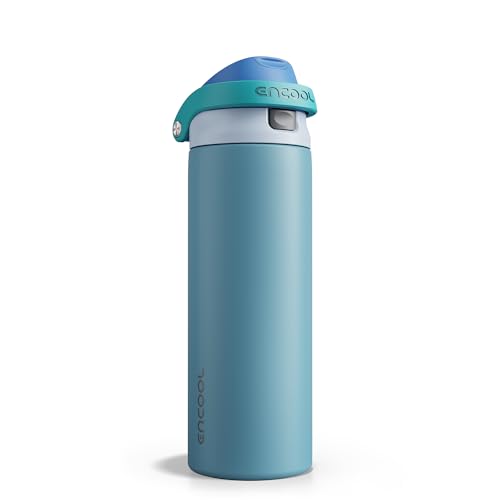
Airports, terminals, and embarkation lines can be dehydrating, and many cruise terminals restrict bringing large liquids through security. An empty reusable bottle you fill after security solves this without extra cost.
12. Travel-Size Toiletry Kit
A small kit with essentials (toothbrush, contact solution, basic skincare) means you’re covered for your first night even if your main toiletry bag is still in checked luggage.


13. Sunscreen and Lip Balm
Glacier glare and reflection off water are stronger than most travelers expect, even in cool or overcast weather. Packing sunscreen in your carry-on means you’re protected from the first excursion, not just after unpacking.

14. Cash in Small Bills
Some port vendors, tipping situations, and small onboard purchases are easier with cash on hand, especially in smaller Alaska port towns where card readers or WiFi-dependent payment systems can be unreliable.
15. Copy of Travel Insurance Details
Keeping a physical or offline digital copy of your travel insurance policy number and emergency contact means you’re not scrambling to find this information if something goes wrong in the first hours of the trip, before you’ve had a chance to settle in.
What Changes by Month
- May and September — Prioritize the fleece and rain jacket even more heavily; shoulder-season terminals run colder.
- June through August — Sunscreen and lip balm matter more due to longer daylight hours and stronger glacier glare.
- Any month — Medication, documents, and chargers stay non-negotiable regardless of season.
Common Mistakes to Avoid
- Packing medication in checked luggage — always keep it with you
- Assuming WiFi will be available at the terminal — print or download key documents in advance
- Skipping a light layer — terminals and outdoor gangways run cooler than expected
- Forgetting a swimsuit if bags are delayed — you may miss pool time on embarkation day
- Overpacking the carry-on with full-trip items — this is a first-hours kit, not a full wardrobe
What I’d Pack Differently
Based on current cruise-line guidance and common traveler feedback, the two items travelers most often wish they’d added are a portable charger and a printed excursion confirmation — WiFi at embarkation terminals is far less reliable than most first-time cruisers expect, and phones tend to die faster than planned on a day full of photos, boarding passes, and navigation.
FAQs
How long can checked luggage take to arrive on embarkation day? It varies by ship and port, but delays of several hours are common, especially on busy embarkation days with large passenger volumes.
Do I really need a rain jacket in my carry-on, not just my suitcase? Yes — many Alaska terminals involve outdoor walkways or covered but open-air waiting areas, and you may be outside before your suitcase ever reaches your cabin.
Is cash necessary if I have a credit card? It’s not strictly necessary, but smaller Alaska port towns can have unreliable card readers or WiFi, making cash a useful backup for tipping and small purchases.
Should I pack a full toiletry bag in my carry-on? No — a small travel-size kit is enough to cover the first few hours; your full toiletries can stay in checked luggage.

I am Zoe Grace, a passionate enthusiast of cruise ships. With a decade of firsthand experience in the cruising industry, I have developed a deep understanding of the intricacies and wonders that these majestic vessels hold.
Now, I am excited to embark on a new journey as an author, sharing my knowledge and insights with readers who share my fascination for the world of cruising.
Join me as we explore the captivating world of cruise ships together.