Cruise Packing List for Beginners: First-Timer Checklist
Your first cruise comes with a learning curve, and packing is where most of that learning happens the hard way.
I still remember my first cruise — I over-packed shoes I never wore, forgot a lanyard for my cruise card, and had zero idea surge protectors were banned until security pulled mine out of my bag at the terminal.
If you’re cruising for the first time, this guide covers everything you actually need, explained in a way that makes sense even if you’ve never set foot on a ship before.
Start With the Documents (These Matter More Than Clothes)

Before anything else, get your paperwork sorted. This is the one category where forgetting something can actually stop you from boarding.
- Passport (even for “closed-loop” cruises that don’t technically require one — it’s the safest option)
- Cruise boarding documents/e-tickets printed or downloaded to your phone
- Government-issued ID
- Credit or debit card for onboard purchases
- Cash in small bills, useful at ports that don’t take cards everywhere
- Travel insurance information, if you have it
A good habit: keep photocopies or photos of your important documents stored separately from the originals, just in case something gets lost.
Understanding the Cruise Card System

Here’s something nobody explains clearly to first-timers: your cruise card is your room key, your ID onboard, and your payment method all in one.
You’ll use it constantly, which is why a lanyard is genuinely one of the most useful (and cheapest) things you can pack. Losing your card mid-cruise is a hassle you don’t want.
Clothing: What You Actually Need

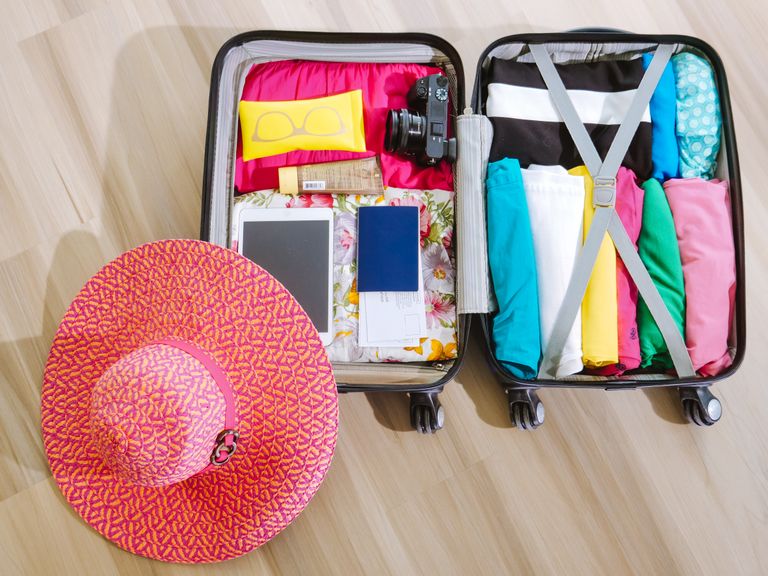
First-timers tend to either drastically overpack or completely underestimate what they’ll wear. Here’s a realistic breakdown for a typical 5-7 day cruise:
- 5-6 daytime outfits — shorts, sundresses, breathable tops for pool days and warm ports
- 2 swimsuits — so one can dry while you wear the other
- 1-2 dressier outfits for formal night (check your specific cruise line’s dress code beforehand — this varies more than people expect)
- 3-4 casual evening outfits for regular dinners
- 1 light jacket or cardigan — cruise interiors run surprisingly cold, even in warm destinations
- Comfortable walking shoes for excursions
- Sandals or flip-flops for the pool deck only (most dining rooms don’t allow them at dinner)
- One dressier pair of shoes for formal night
A common first-timer mistake is packing too many “just in case” formal outfits. Unless you’re on a longer luxury cruise, one or two dressy pieces you can mix and match is plenty.
Toiletries and Health Essentials


Ship gift shops exist, but they’re expensive and limited. Pack these before you go:
- Basic toiletries (toothbrush, toothpaste, shampoo — some cruise lines don’t provide much beyond soap)
- Sunscreen (reef-safe if your itinerary includes certain protected areas)
- Prescription medications in their original, labeled containers — and pack a few extra days’ worth in case of travel delays
- Motion sickness remedy or wristbands, even if you don’t think you’ll need them — rougher seas catch first-timers off guard more than veterans
- A small first-aid kit with basics like band-aids, pain relievers, and antacids
Electronics You’ll Actually Use

- Phone charger
- A non-surge-protected power strip — this is the single most common item first-timers get confiscated. Regular surge protectors are banned on almost every cruise line for fire safety, but a basic power strip without surge protection is allowed and solves the classic “only one outlet in the cabin” problem
- Portable power bank for long excursion days away from an outlet
- Waterproof phone pouch for pool days and water excursions
Small Cabin Hacks First-Timers Never Expect to Need

Cruise cabins are smaller than most people picture, and a few inexpensive extras make a real difference:
- Magnetic hooks — cabin walls are metal, so these stick easily and free up space for hats, bags, and lanyards
- An over-the-door shoe organizer — turns unused door space into extra storage for toiletries and small items
- Packing cubes — keep a week’s worth of clothes organized without needing to fully unpack into a tiny closet
Your Port Day/Excursion Bag


On days you’re leaving the ship, you don’t want to be carrying your whole beach bag through customs and tenders. Pack a smaller day bag with:
- A reusable water bottle (most ships have free refill stations)
- Sunscreen and a hat
- Cash for ports that don’t accept cards
- Your phone charger or a small power bank
- A light rain jacket or compact umbrella, just in case
Things First-Timers Don’t Realize Are Banned
This trips up almost everyone on their first cruise, so it’s worth calling out clearly:
- Surge protectors (bring a basic power strip instead)
- Irons and steamers (use a wrinkle-release spray instead)
- Candles, even unlit
- Pocket knives or multi-tools with blades
- Large coolers (small soft-sided coolers are usually fine, check your line’s specific policy)
Every cruise line has a slightly different list, so a quick check of your specific line’s prohibited items page before you pack saves you from losing something at security.
The Carry-On Rule Nobody Tells First-Timers
This is probably the single most important tip on this whole list: pack a carry-on bag with essentials and keep it with you when you board.
Checked luggage doesn’t arrive at your cabin instantly — it can take several hours, sometimes not until dinner time.
If your swimsuit, medication, or a change of clothes is buried in checked luggage, you’re stuck waiting for it. Pack your carry-on with a swimsuit, any medications, chargers, and important documents.
Quick Beginner Packing Rules
- Pack a carry-on with essentials. Don’t rely on checked luggage arriving quickly.
- Check your cruise line’s specific rules before packing. Prohibited items and dress codes vary more than people expect.
- Layer for temperature swings. Ships run cold indoors, hot on deck — pack accordingly.
- Don’t overpack “just in case” items. You’ll rewear outfits more than you think, and laundry service exists if you need it.
- A lanyard and a basic power strip solve two of the most common first-cruise frustrations. Small items, big difference.
Final Thought
Your first cruise doesn’t need to be complicated to pack for — it just requires knowing a few things that aren’t obvious until someone tells you.
Cover your documents, pack a smart carry-on, bring the right layers, and skip the items that’ll get confiscated at security, and you’ll walk onto that ship feeling a lot more like a veteran than a first-timer.

I am Zoe Grace, a passionate enthusiast of cruise ships. With a decade of firsthand experience in the cruising industry, I have developed a deep understanding of the intricacies and wonders that these majestic vessels hold.
Now, I am excited to embark on a new journey as an author, sharing my knowledge and insights with readers who share my fascination for the world of cruising.
Join me as we explore the captivating world of cruise ships together.