Alaska Cruise Packing List For August: Layers That Actually Work
Most people packing for an Alaska cruise in August make the same mistake: they pack for “summer” and forget they’re still going somewhere that borders glaciers.
August is Alaska’s mildest month, but mild in Alaska still means a jacket, and the weather can shift from sunny to drizzling to windy in the same afternoon.
The trick isn’t packing more — it’s packing in layers you can add and remove fast.
A base layer, a warm mid-layer, and a waterproof shell will carry you from a sunny morning on deck to a cold, misty glacier viewing without a single wardrobe change.
Note: This is a complete packing list. If you’d rather travel light, there’s a pack-light section right after it.
What Is the Weather Like on an Alaska Cruise in August?

August is one of the mildest and driest months for an Alaska cruise, but “mild” here means roughly 10°C to 18°C (50°F–65°F) during the day, dropping cooler at night and considerably colder near glaciers or out on open water.
Rain is common even in the driest month, so a waterproof layer isn’t optional — it’s a daily essential. Pack for layering, not for heat.
Your Complete Alaska Cruise Packing List For August
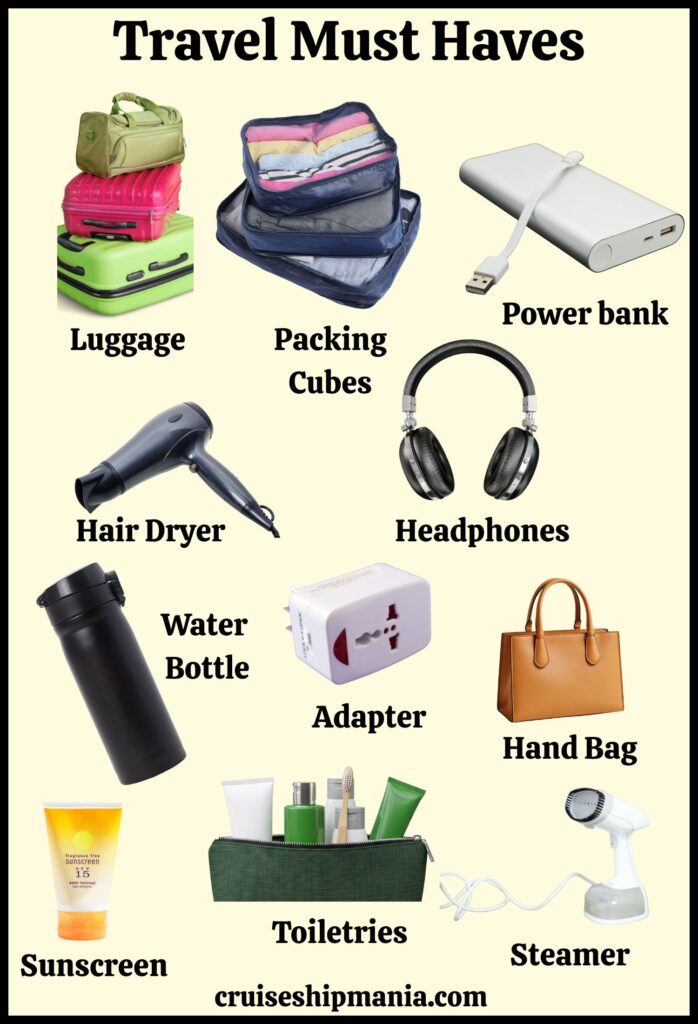
Packing smart here means thinking in layers and planning for both ship life and shore excursions. Here’s everything worth bringing, organized so you don’t forget the pieces that actually matter.
Luggage & Packing Tools
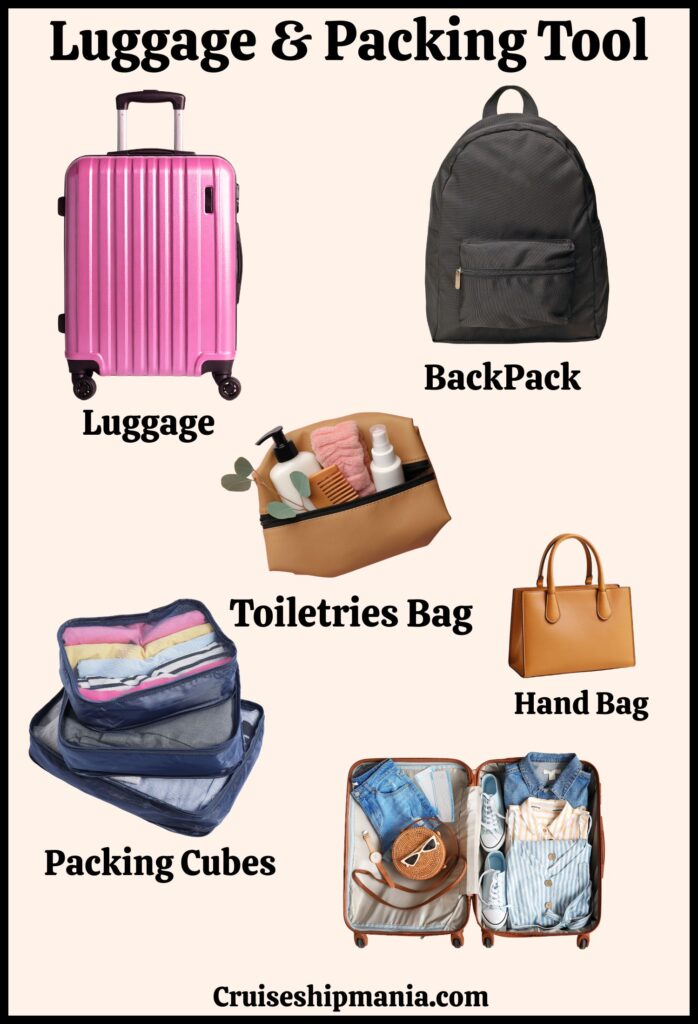
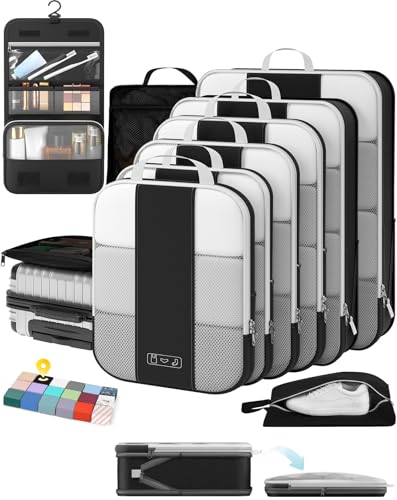
Most cabins have limited closet and drawer space, so packing cubes and a collapsible day bag make a real difference. A separate small daypack is essential for shore excursions — you don’t want to be carrying your whole suitcase off the ship.


- Soft-sided expandable duffel or mid-size checked suitcase
- Packable daypack for shore excursions
- Packing cubes set
- Compression bags for bulky layers
- Waterproof dry bag for wet excursions
- Over-the-door hanging organizer for a small cabin
- Small crossbody bag with secure zipper
- Magnetic hooks for extra cabin storage (cabin walls are usually metal)
- Luggage ID tags
Clothes
Build every outfit as three layers: a moisture-wicking base, a warm mid-layer like fleece or wool, and a waterproof, windproof shell on top. This combination handles sunny deck mornings, cold glacier viewings, and sudden rain without needing separate outfits for each.


- Waterproof, windproof shell jacket (1)
- Fleece or wool mid-layer (1–2)
- Moisture-wicking base layer tops (2–3)
- Long-sleeve layering tops (2–3)
- Warm sweater for cool evenings (1)
- Jeans or sturdy trousers (2)
- Fleece-lined leggings for cold shore excursions (1)
- Waterproof rain pants for wet excursion days (1)
- One nicer outfit for dinner or formal night (1–2)
- Sleepwear set (1–2)
- Warm socks, including wool hiking socks (4–6)
- Underwear (6–8)
- A swimsuit if your ship has a hot tub or pool (1)
- A packable rain poncho as backup for your shell jacket
Shoes & Accessories
Waterproof, broken-in footwear matters more here than on almost any other trip. Ship decks get wet, port towns can be cobblestoned or muddy, and glacier or wildlife excursions often mean uneven, damp ground.


- Waterproof walking or hiking boots (1)
- Warm, water-resistant boots for excursions (1)
- Comfortable shoes for onboard wear (1)
- Warm hat or beanie (1)
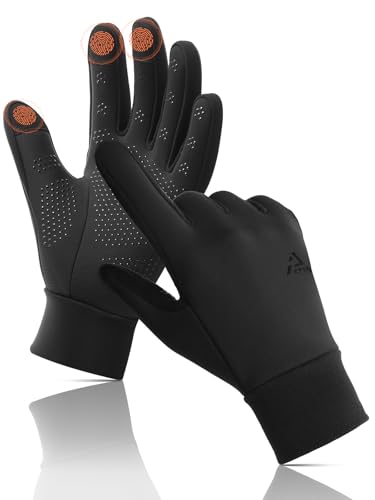
- Touchscreen-compatible gloves for cold mornings and glacier viewing (1)
- Sunglasses (glare off water and ice is real)
- Light scarf or neck gaiter for wind (1)
- Small daypack for excursions
- Compact binoculars for wildlife and glacier viewing
- Trekking poles if any excursion includes uneven trails
- Gaiters for muddy trailheads
Skincare
Wind, cold, and dry cabin air can leave skin chapped fast, and UV reflecting off water and ice is stronger than people expect. Sunscreen is still necessary even on overcast days.


- Broad-spectrum face sunscreen SPF 30–50
- SPF lip balm rated for wind and cold
- Rich moisturizer for wind and cold
- Gentle facial cleanser
- Hydrating face mist
- Hand cream for dry cabin air
- Anti-chafe balm for layered clothing
- A small humidifier packet or hydrating sheet mask for dry cabin air
Makeup
Keep it simple and weather-resistant — wind and light rain on deck aren’t kind to heavy makeup, and most of your days will be spent outdoors in variable conditions.
- Tinted moisturizer or lightweight foundation
- Concealer
- Water-resistant mascara
- Brow gel
- Cream blush
- SPF lip tint
- Setting spray
- Makeup remover wipes
Hair Care
Wind and humidity on deck can undo styling fast. Low-maintenance options work best. A hat is often more reliable than a hairdryer on excursion days.
- Travel hair dryer
- Leave-in conditioner spray
- Anti-frizz serum
- Dry shampoo
- Hair ties and clips
- A warm hat that doubles as a hair day fix
Documents & Essentials

- Passport or government-issued ID
- Cruise documents and boarding passes
- Shore excursion tickets and confirmations
- Travel insurance details
- Credit card and backup payment method
- Small amount of cash for tips and small purchases
- Emergency contact card
- Printed copies of key confirmations
- A luggage tracker tag for checked bags
First Aid
Motion sickness is worth planning for even if you don’t normally get seasick — open water crossings can be rougher than the calm inside passage.


- Motion sickness tablets or acupressure wristbands
- Blister pads and moleskin
- Pain relievers
- Antihistamine tablets
- Antiseptic wipes and bandages
- Hand sanitizer
- A mini travel thermometer
Health & Hygiene
- Deodorant
- Travel toothbrush and toothpaste
- Hand sanitizer and travel tissues
- Feminine hygiene products
- Contact lenses and solution
- Lip balm with SPF
- Ear plugs for a quieter cabin
Tech & Electronics
Wi-Fi at sea is often slow and expensive, so download entertainment in advance. A power bank matters most on excursion days when you’re away from a cabin outlet for hours.


- Power bank
- Phone charging cable and a backup cable
- Camera or waterproof action camera for wildlife and glaciers
- Waterproof phone pouch
- Binoculars
- Cruise-safe (non-surge-protected) power strip for extra cabin outlets
- Downloaded offline maps, shows, or podcasts
Entertainment
- A book or e-reader for sea days
- Downloaded playlists and podcasts
- Deck of cards
- Travel journal and pen
- Small binoculars for scenic cruising days
- A travel-size board game for family cabins
Extras
- Reusable water bottle
- Collapsible umbrella
- Motion sickness relief you’ve tested before the trip
- Zip-top bags for wet or muddy gear
- Small dry bag for excursion electronics
- Stain remover pen
- Mini sewing kit
- A small clip-on reading light for the cabin
Travel Tips
- Dress in layers you can add or remove throughout the day
- Check the excursion-specific packing notes for each shore stop
- Keep a waterproof shell in your daypack at all times, even on sunny mornings
- Bring binoculars — wildlife and glacier viewing happen fast and far away
- Download entertainment before boarding since onboard Wi-Fi is often slow
- Pack a motion sickness remedy even if you don’t usually need one
- Keep a small dry bag for your phone and camera on wet excursions
Must-Haves
- Waterproof, windproof shell jacket
- Fleece or wool mid-layer
- Waterproof walking or hiking boots
- Warm hat and gloves
- Motion sickness remedy
- Power bank
- Sunscreen SPF 30–50
- Reusable water bottle
Good-to-Have
- Binoculars for wildlife and glaciers
- Waterproof phone pouch
- Collapsible umbrella
- Neck gaiter or light scarf
- Dry bag for excursion electronics
- A book or e-reader for sea days
- Trekking poles for uneven trails
What to Bring If You Want to Pack Light
An Alaska cruise in August rewards a small, well-chosen layering system more than a large wardrobe. Focus on pieces that mix and match, and skip anything that isn’t warm, waterproof, or genuinely versatile.
- One waterproof, windproof shell jacket
- One warm fleece or wool mid-layer
- 3–4 long-sleeve layering tops
- 2 pairs of sturdy trousers or jeans
- One pair of broken-in waterproof shoes
- A warm hat, gloves, and a scarf
- One nicer outfit for dinner
- Travel-size toiletries in a clear zip bag
What Not to Pack for an Alaska Cruise in August
Leave summer-weight clothing without a warm layer at home. Shorts, tank tops, and sandals alone won’t get you through a cool morning on deck or a glacier viewing, even in August.
You also don’t need heavy winter gear — Alaska in August is cool, not arctic, so a proper mid-weight layering system beats one bulky coat that takes up your whole suitcase.
- Shorts and tank tops with no warm layer to pair them with
- Flimsy sandals with no waterproof, closed-toe backup
- A single heavy winter coat instead of layers
- Non-waterproof shoes as your only footwear
- A full formal wardrobe — one or two dressier outfits is plenty
FAQ: Packing for an Alaska Cruise in August
How cold does it get on an Alaska cruise in August?
Daytime temperatures typically run 10°C to 18°C (50°F–65°F), with cooler mornings, evenings, and noticeably colder conditions near glaciers or out on open water. Layers make it comfortable across the whole range.
Do I need a winter coat for an Alaska cruise in August?
No. August is Alaska’s mildest month, so a waterproof shell over a fleece or wool mid-layer is warm enough for almost everyone. A bulky winter coat is usually more than you need and takes up valuable suitcase space.
What shoes should I pack for an Alaska cruise?
Waterproof, broken-in walking or hiking boots are the most important item on this whole list. Wet decks, cobblestone ports, and muddy excursion trails all call for shoes that handle water and uneven ground.
Will it rain on my Alaska cruise in August?
It’s likely, even in the driest month. Alaska’s coastal weather can shift quickly, so a packable waterproof shell should stay in your daypack every day, regardless of the morning forecast.
Do I need formal wear for an Alaska cruise?
Most Alaska cruises are casual overall, but many ships have one or two “formal” or “elevated casual” nights. One or two nicer outfits are usually enough — a full formal wardrobe isn’t necessary.
What should I pack for shore excursions in Alaska?
A small daypack with a waterproof shell, warm layer, gloves, binoculars, a charged phone or camera, and snacks. Excursions often run several hours outdoors in variable weather, so plan as if conditions could change fast.

I am Zoe Grace, a passionate enthusiast of cruise ships. With a decade of firsthand experience in the cruising industry, I have developed a deep understanding of the intricacies and wonders that these majestic vessels hold.
Now, I am excited to embark on a new journey as an author, sharing my knowledge and insights with readers who share my fascination for the world of cruising.
Join me as we explore the captivating world of cruise ships together.