What To Pack For Italy In August: Heat, Churches, and Cobblestones
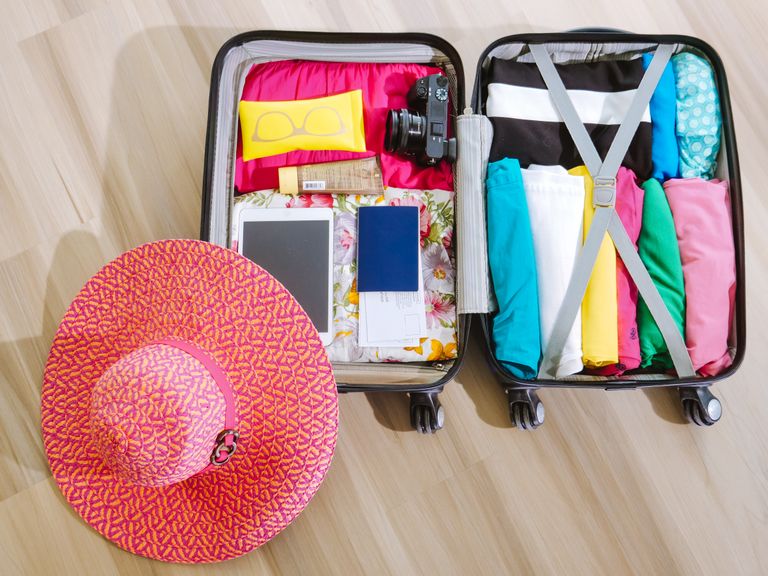
Packing for Italy in August comes down to three things people consistently underestimate: how hot it actually gets, how much walking you’ll do on uneven stone streets, and how many churches and religious sites have a dress code you’ll want to respect without carrying a suitcase full of options.
August is peak summer across Italy. Rome, Florence, and the south can push past 35°C (95°F) with very little breeze, especially in narrow city streets that trap heat.
Coastal towns and islands are more forgiving but still hot and humid by afternoon.
The other thing that catches people off guard is the walking surface. Cobblestones, uneven piazzas, and long museum lines mean cute-but-flimsy sandals fall apart fast — literally. Bring shoes you’ve already broken in.
Note: This is a complete packing list. If you’d rather travel light, there’s a pack-light section right after it.
What Is the Weather Like in Italy in August?

Italy in August runs hot and mostly dry, with daytime highs typically between 30°C and 35°C (86°F–95°F), and higher during heat waves in Rome, Florence, and southern regions.
Coastal areas and islands like the Amalfi Coast or Sicily stay a touch cooler with sea breeze but remain humid. Evenings cool only slightly, so pack for warm nights as well as hot days.
Your Complete What To Pack For Italy In August
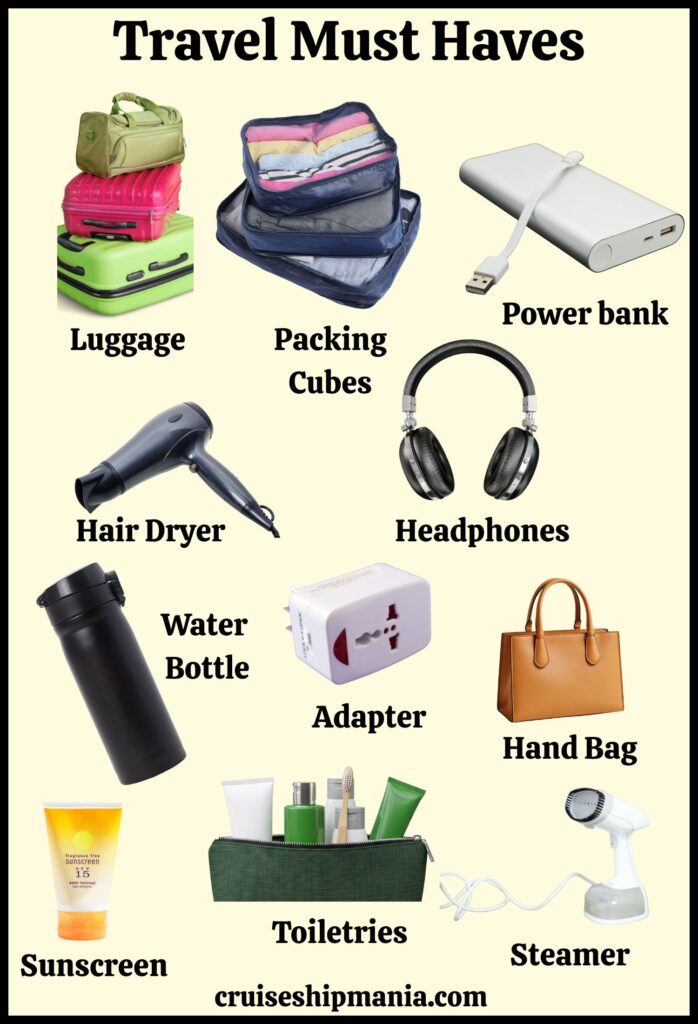
Packing well for Italy means balancing three things at once: staying cool in the heat, being comfortable on hours of walking, and having something modest ready for churches and cathedrals. Here’s everything worth bringing.
Luggage & Packing Tools
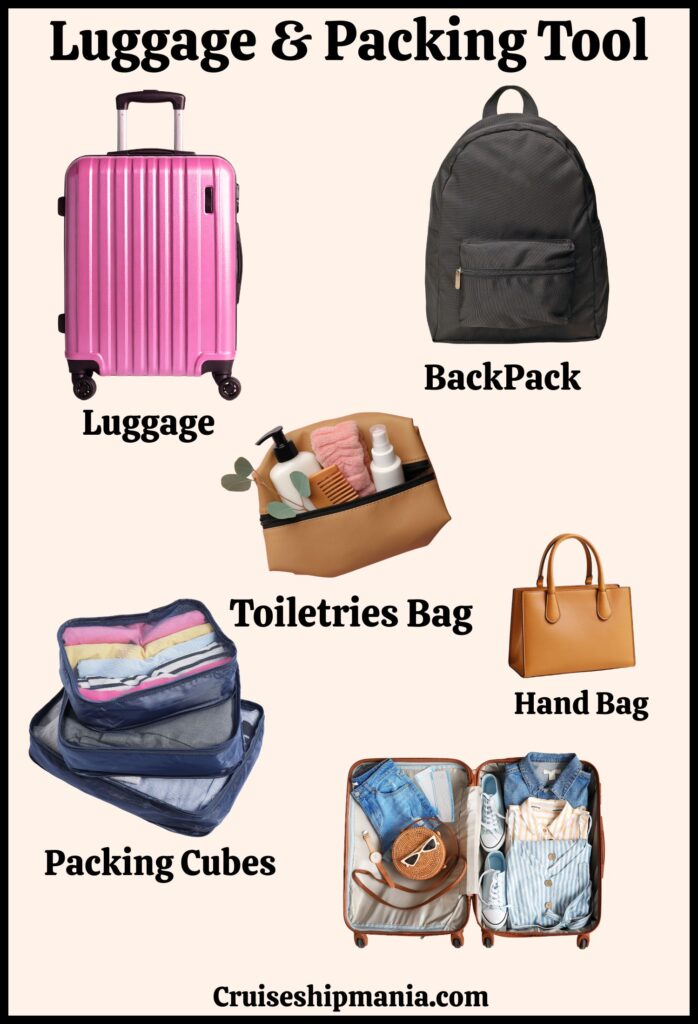
Many Italian hotels and train platforms don’t have elevators or easy luggage carts, so lighter, more maneuverable luggage genuinely matters here. A packable day bag is useful for museum and church visits where large bags aren’t allowed.
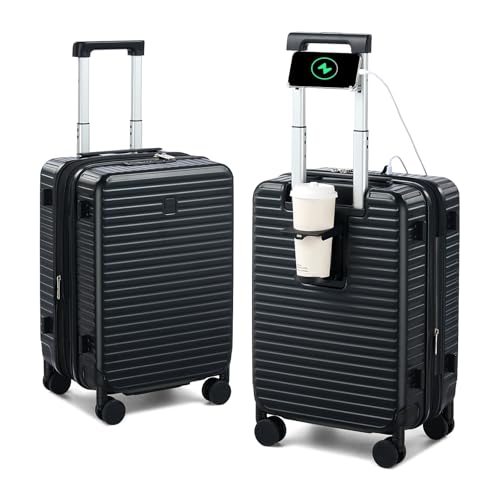


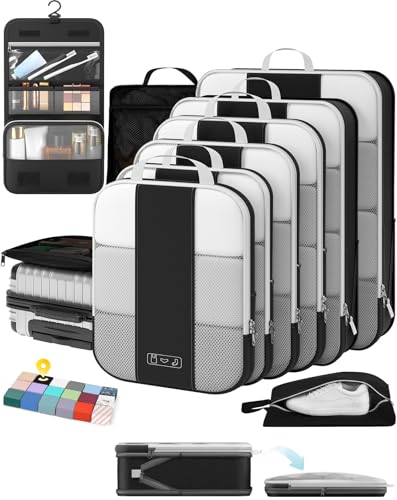
- Lightweight carry-on or spinner suitcase
- Slim anti-theft daypack or small backpack
- Packing cubes set
- Compression bags for bulky items
- Small crossbody bag with a secure zipper
- Foldable garment bag for a dressier outfit
- Foldable tote for museum and market days
- Luggage ID tags
Clothes
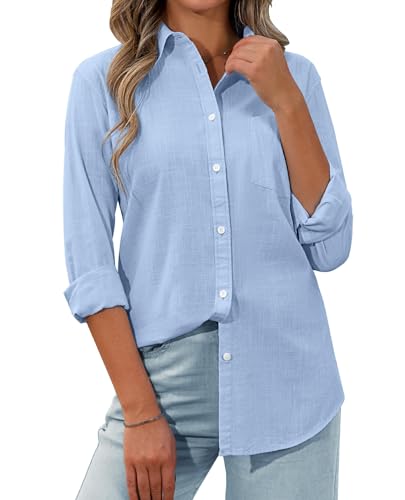
Breathable natural fabrics are the whole game here — linen, cotton, and lightweight viscose move air and handle heat far better than synthetics. Pack at least one modest cover-up for churches, since many require covered shoulders and knees for entry.

- Linen or cotton dresses (2–3)
- Breathable tops (4–6)
- Lightweight shorts or a linen skort (2)
- Loose linen trousers for evenings and churches (1–2)
- A lightweight scarf or shawl for covering shoulders in churches (1)
- A lightweight linen button-down as a church-friendly cover layer (1)
- One slightly dressier outfit for a nice dinner (1)
- Swimsuit if you’re near the coast (1–2)
- Sleepwear that stays cool at night (2)
- Breathable underwear (6–8)
- No-show socks for walking shoes (4–6)
- A packable sunhat that folds flat in your suitcase
Shoes & Accessories
Cobblestones are unforgiving on thin soles and high heels, so cushioned, broken-in walking shoes matter more here than almost anywhere else. Sandals should have a proper sole and a back strap — flip-flops don’t hold up on stone streets.


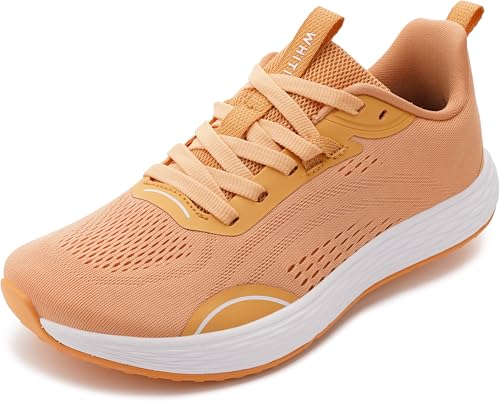
- Cushioned walking sandals or sneakers (1)
- A second comfortable shoe for rotating days (1)
- Dressier flat sandals for evenings (1)
- Wide-brim hat for sun protection
- Sunglasses with UV protection
- Lightweight crossbody bag with a zipper
- A foldable handheld fan for hot churches and outdoor waits
- Blister-prevention tape for long walking days
Skincare
Strong sun plus long walking days call for real sun protection, not an afterthought. Reapply sunscreen after time outdoors, and keep a hydrating mist handy for hot afternoons.

- Broad-spectrum face sunscreen SPF 50
- Broad-spectrum body sunscreen SPF 50
- SPF lip balm
- After-sun aloe gel
- Lightweight, oil-free moisturizer
- Hydrating facial mist
- Blotting papers for humidity
- Hand cream for AC on trains and buses
- A mineral sunscreen stick for quick reapplication without makeup disruption
Makeup
Heat and humidity make heavy makeup impractical, so lean toward long-wear, lightweight formulas that survive a full day of walking.
- Tinted moisturizer or a light skin tint
- Waterproof mascara
- Cream blush
- Setting spray
- SPF lip tint
- Travel makeup remover wipes
Hair Care
Humidity, especially near the coast, can undo styling fast. Anti-frizz products and a simple, low-maintenance routine work better than anything that needs daily heat styling.
- Travel hair dryer
- Anti-frizz serum
- Dry shampoo
- Hair ties and clips
- Leave-in conditioner spray
Documents & Essentials

- Passport
- Train tickets and museum reservations
- Hotel confirmations
- Travel insurance details
- Credit card and a backup payment method
- Small amount of cash for smaller towns and markets
- Emergency contact card
- Printed copies of key confirmations
First Aid

- Blister pads and moleskin
- Pain relievers
- Antihistamine tablets
- Motion sickness tablets for ferries or winding coastal roads
- Antiseptic wipes and bandages
- Hand sanitizer
Health & Hygiene
- Deodorant
- Travel toothbrush and toothpaste
- Hand sanitizer and travel tissues
- Feminine hygiene products
- Contact lenses and solution
- Mini fragrance or body spray
Tech & Electronics
Italy uses the Type C/F/L plug standard, so a universal adapter is essential. A power bank helps on long museum and sightseeing days away from an outlet.


- European travel adapter
- Slim power bank
- Phone charging cable and a backup cable
- Camera for architecture and scenery
- Offline maps downloaded in advance
Entertainment
- A book or e-reader for train rides
- Downloaded playlists and podcasts
- Small travel journal and pen
- A language translation app downloaded offline
Extras
- Reusable water bottle (many Italian towns have public fountains)
- Small fan for hot churches and outdoor lines
- Zip-top bags for snacks and wet items
- Stain remover pen
- Mini sewing kit
- Reusable tote for market shopping
- A collapsible cup for gelato or espresso on the go
Travel Tips
- Dress modestly for churches: covered shoulders and knees are required at most major sites
- Carry a lightweight scarf specifically for quick church cover-ups
- Reapply sunscreen throughout the day, not just in the morning
- Choose shoes with a real sole for cobblestones — thin flip-flops won’t survive
- Refill your water bottle at public fountains where available
- Validate train tickets before boarding where required
- Keep a printed map or offline map as backup for spotty signal in small towns
Must-Haves
- Broad-spectrum sunscreen SPF 50
- Cushioned walking shoes with a real sole
- A lightweight scarf for church visits
- European travel adapter
- Reusable water bottle
- Sunglasses with UV protection
- Blister pads and moleskin
Good-to-Have
- Broad-spectrum sunscreen SPF 50
- Cushioned walking shoes with a real sole
- A lightweight scarf for church visits
- European travel adapter
- Reusable water bottle
- Sunglasses with UV protection
- Blister pads and moleskin
What to Bring If You Want to Pack Light
Italy in August rewards a small, breathable wardrobe more than a large one, since you’ll want a fresh top most days in the heat. Stick to pieces that mix and match and cover you for both sightseeing and churches.
- 3–4 breathable tops
- 1–2 linen or cotton dresses
- One pair of loose trousers or a linen skort
- One broken-in pair of walking shoes
- One lightweight scarf for churches
- Sunglasses, a hat, and travel-size sunscreen
- One swimsuit if you’re near the coast
What Not to Pack for Italy in August
Leave heavy fabrics and anything requiring ironing at home — humidity and heat make both impractical, and most hotels don’t have great laundry options for a quick refresh.
- Heavy jeans or thick fabrics for daytime
- Flip-flops as your only walking shoe (cobblestones destroy them fast)
- Sleeveless tops with nothing to cover shoulders for churches
- A large hard-shell suitcase if your itinerary includes stairs or cobblestones
- A full bottle of sunscreen and toiletries you can easily buy locally
FAQ: Packing for Italy in August
Is August too hot to visit Italy?
It’s genuinely hot — often 30–35°C (86–95°F) or higher in cities like Rome and Florence — but manageable with breathable clothing, sun protection, and pacing your day around the hottest hours. Coastal areas are slightly more comfortable.
What should you not wear in Italian churches?
Sleeveless tops, shorts above the knee, and generally exposed shoulders or knees are turned away at most major churches and cathedrals. A lightweight scarf or shawl solves this instantly without needing a separate outfit.
What shoes are best for Italy in August?
Cushioned walking shoes or sandals with a real sole and back strap. Cobblestones and long museum days are hard on both thin-soled sandals and unbroken-in shoes, so comfort and durability matter more than style here.
Do I need a plug adapter for Italy?
Yes. Italy uses Type C, F, and L plugs, which differ from many countries’ standard outlets. A universal travel adapter covers this along with most other destinations you might visit afterward.
What should I pack for a week in Italy in August?
Focus on 5–6 breathable tops, 2–3 linen or cotton dresses, one pair of loose trousers, one broken-in pair of walking shoes, a lightweight scarf for churches, sunglasses, a hat, and sunscreen. Add a swimsuit if your trip includes the coast.
Is it humid in Italy in August?
It varies by region. Inland cities like Rome and Florence get hot and can feel muggy in narrow streets, while coastal areas and islands have more breeze but higher humidity near the water.

I am Zoe Grace, a passionate enthusiast of cruise ships. With a decade of firsthand experience in the cruising industry, I have developed a deep understanding of the intricacies and wonders that these majestic vessels hold.
Now, I am excited to embark on a new journey as an author, sharing my knowledge and insights with readers who share my fascination for the world of cruising.
Join me as we explore the captivating world of cruise ships together.