Bahamas Cruise Packing List: Sun, Snorkeling, and Reef-Safe Rules
A Bahamas cruise is one of the simpler tropical trips to pack for — warm water, easy island pace, and weather that rarely swings far from “sunny and humid.”
Most of your packing list comes down to swimwear, sun protection, and a handful of practical extras for beach and snorkeling days.
The detail that trips people up isn’t the heat, it’s the reef-safe sunscreen rule. Many Bahamian beaches and marine parks restrict sunscreens containing oxybenzone and octinoxate to protect the coral, and it’s cheaper and easier to bring your own compliant sunscreen than to buy it at a port shop once you’ve already arrived.
The other thing worth planning for is footwear on excursions. Several beaches and snorkeling spots have rocky or coral-covered entry points where bare feet or flip-flops aren’t the safest choice.
Note: This is a complete packing list. If you’d rather travel light, there’s a pack-light section right after it.
What Is the Weather Like in the Bahamas?
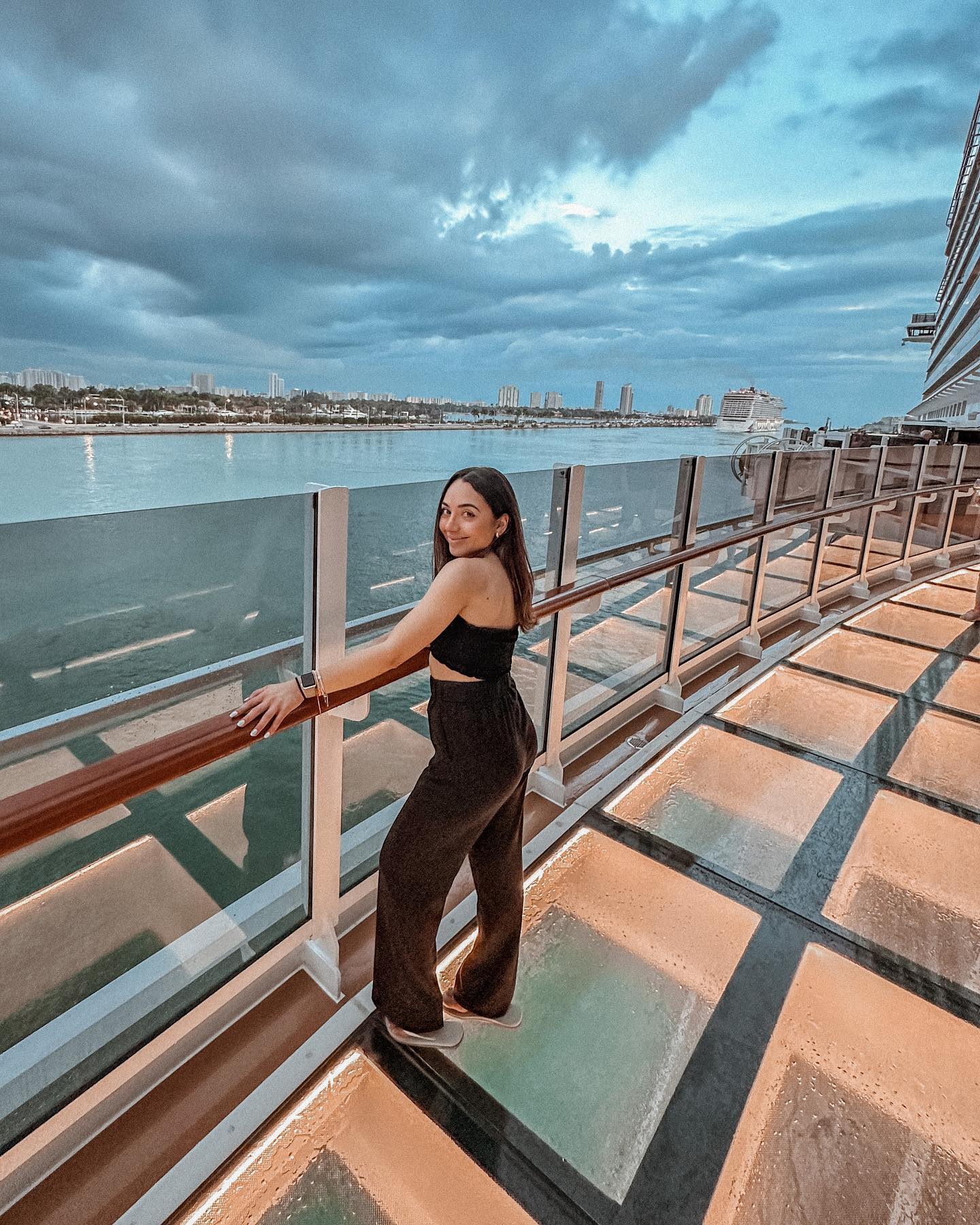
The Bahamas stays warm nearly year-round, typically running 24°C to 31°C (75°F–88°F), with high humidity and frequent but short-lived tropical showers that tend to pass within minutes.
Sea breeze softens the heat somewhat, but sun exposure on the water is intense, so pack for constant warmth and strong, reflective sun rather than any real temperature swing.
Your Complete Bahamas Cruise Packing List
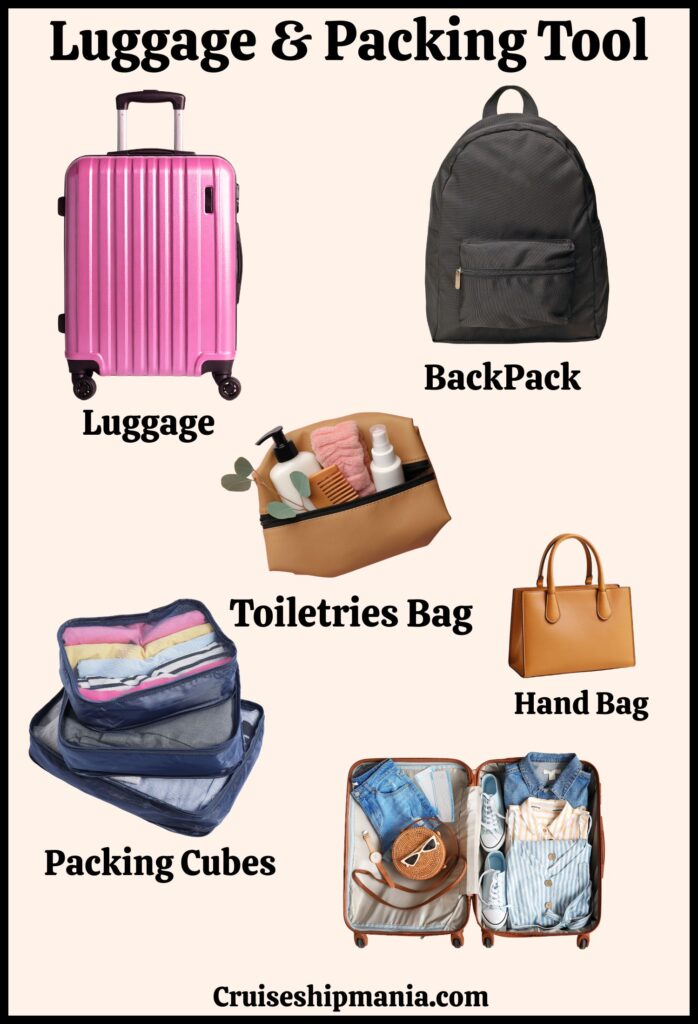
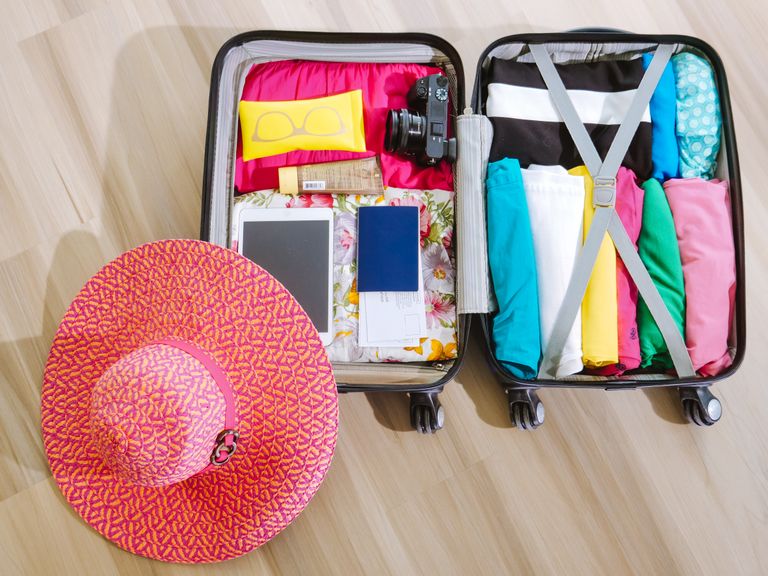
Packing for the Bahamas means prioritizing swimwear, real sun protection, and a few practical extras for beach and snorkeling excursions. Here’s everything worth bringing.
Luggage & Packing Tools
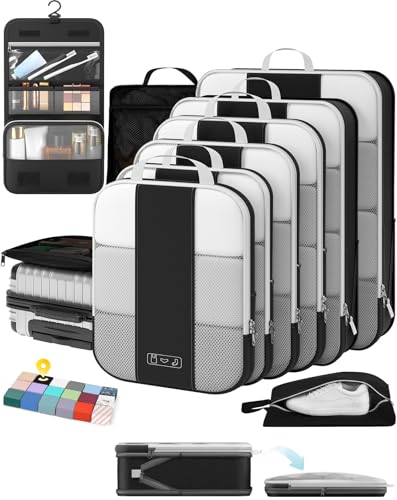
Cabin storage is limited on most ships, so packing cubes and a separate beach bag keep wet and dry items from mixing in your main suitcase.


- Soft-sided suitcase or duffel
- Mesh, quick-dry beach tote
- Wet-and-dry packing cubes
- Collapsible daypack for excursions
- Small crossbody bag with a secure zipper
- Luggage ID tags with your ship and cabin number
Clothes
Breathable, lightweight fabrics do the heavy lifting here — humidity makes anything heavier genuinely uncomfortable by midday. Bring more swimwear than you think you need, since it’s likely the piece you’ll wear most.


- Swimsuits (2–3, so one can always be dry)
- Lightweight cover-ups for pool-to-restaurant transitions (2)
- A UPF-rated long-sleeve swim shirt for extended water time
- Breathable daytime tops (4–5)
- Shorts or a linen sundress (2–3)
- One or two dressier outfits for formal or elevated-casual nights
- A light cardigan or wrap for the ship’s air-conditioned interior
- Sleepwear (1–2)
- Breathable underwear (6–8)
Shoes & Accessories
Water shoes matter more here than people expect. Several beaches and excursion spots have rocky or coral-covered entry points, and thin flip-flops offer no protection.
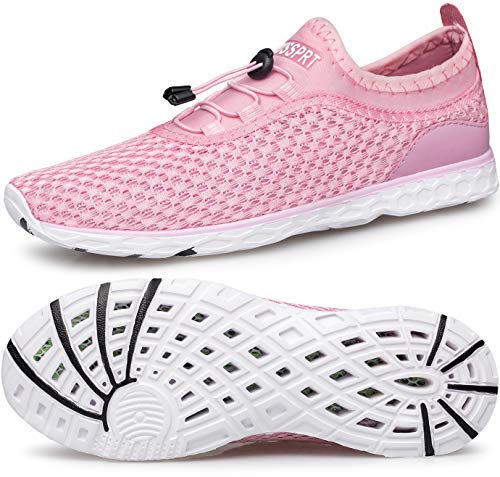
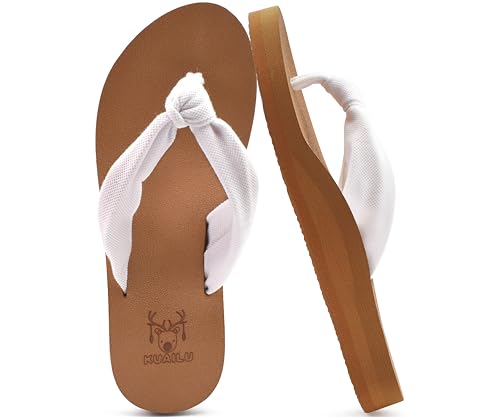

- Water shoes for rocky or coral beach entries
- Comfortable sandals for daytime
- Dressier sandals or flats for evenings
- A packable wide-brim sun hat
- Polarized sunglasses with a floating strap
- A lightweight crossbody bag with a zipper
Skincare
Reef-safe sunscreen is worth prioritizing before you go, since several Bahamian beaches and marine parks restrict sunscreens containing oxybenzone and octinoxate. Reapply more often than you would on land, since sun reflection off the water adds to direct exposure.

- Reef-safe, broad-spectrum face sunscreen SPF 50
- Reef-safe, water-resistant body sunscreen SPF 50
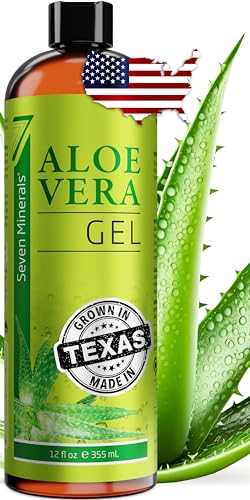
- Aloe vera gel or aftersun lotion
- SPF lip balm
- Lightweight, oil-free moisturizer
- Hydrating facial mist
Makeup
Heat, humidity, and pool time make heavy makeup impractical, so keep it minimal and waterproof for daytime.
- Tinted moisturizer or a light skin tint
- Waterproof mascara
- Cream blush
- Setting spray
- A slightly more polished look for formal night
- Travel makeup remover wipes
Hair Care
Sun, salt water, and humidity are hard on hair. Leave-in conditioner and low-maintenance styling hold up far better than daily heat styling.
- Travel hair dryer
- Leave-in conditioner spray for sun and salt exposure
- Anti-frizz serum
- Dry shampoo
- Hair ties and clips
Documents & Essentials

- Passport or government-issued ID
- Cruise documents and boarding passes
- Shore excursion tickets and confirmations
- Travel insurance details
- Credit card and a backup payment method
- Some cash for tips and port-day purchases
- Emergency contact card
- Printed copies of key confirmations
First Aid

- Blister pads and moleskin
- Pain relievers
- Antihistamine tablets
- Motion sickness tablets for tender boats or choppier crossings
- Antiseptic wipes and bandages
- Hand sanitizer
Health & Hygiene
Sand flies and mosquitoes can be an unpleasant surprise on some beach excursions, especially near vegetation, so a small insect repellent is worth packing even on a short trip.


- Small insect repellent
- Deodorant
- Travel toothbrush and toothpaste
- Hand sanitizer and travel tissues
- Feminine hygiene products
- Contact lenses and solution
Tech & Electronics
Cabins typically have limited outlets, and most cruise lines prohibit traditional surge-protected power strips, so a cruise-approved power strip solves the charging bottleneck fast.


- Cruise-approved (non-surge-protected) power strip
- Portable power bank
- Phone charging cable and a backup cable
- Waterproof phone pouch for excursions
- Waterproof dry bag for boat trips and beach days
- Camera for beach and reef scenery
Entertainment
- A book or e-reader for sea days
- Downloaded playlists and podcasts
- Deck of cards or a travel game
- Travel journal and pen
- Your own snorkel mask and snorkel, if your itinerary includes reef excursions
Extras
- Insulated reusable water bottle
- Zip-top bags for wet swimsuits
- Quick-dry compact beach towel
- Stain remover pen
- Mini sewing kit
- A small collapsible cooler bag for beach snacks
Travel Tips
- Bring reef-safe sunscreen before you go, since it’s cheaper than buying it at a port shop
- Pack more swimwear than feels necessary — it’s the piece you’ll actually wear most
- Wear water shoes for beaches and excursions with rocky or coral entry points
- Carry a light layer for the ship’s interior, which runs cold regardless of the heat outside
- Check your cruise line’s prohibited items list before packing anything unusual, like a drone or cooler
- Reapply sunscreen more often at sea than you would on land
- Bring your own snorkel gear if reef excursions are on your itinerary, for comfort and hygiene
Must-Haves
- Reef-safe sunscreen SPF 50
- 2–3 swimsuits
- Water shoes for rocky or coral beaches
- A wide-brim hat
- An insulated reusable water bottle
- A cruise-approved power strip
- A light cardigan for the ship’s AC
Good-to-Have
- A waterproof phone pouch
- Your own snorkel mask and snorkel
- A quick-dry beach towel
- Small insect repellent
- A collapsible cooler bag for beach snacks
- Aloe vera aftersun gel
What to Bring If You Want to Pack Light
A Bahamas cruise rewards a small, breathable wardrobe more than a large one, since your days repeat in a fairly predictable rhythm of pool, beach, and dinner.
- 2–3 swimsuits and one cover-up
- 3–4 breathable daytime tops
- One dressier outfit for formal night
- One light cardigan for the ship’s AC
- Water shoes and one pair of sandals
- Reef-safe sunscreen and travel-size toiletries
What Not to Pack for a Bahamas Cruise
Leave heavy fabrics and anything requiring ironing at home — humidity makes both impractical for a tropical itinerary.
- Heavy jeans or thick fabrics
- Non-reef-safe sunscreen, if your excursions include protected marine areas
- Flimsy flip-flops as your only beach shoe
- Surge-protected power strips or extension cords (most cruise lines prohibit these)
- A full formal wardrobe — one or two dressier outfits is plenty
FAQ: Packing for a Bahamas Cruise
Do I need reef-safe sunscreen for a Bahamas cruise?
It’s strongly recommended and required in some protected marine areas, since standard sunscreen ingredients like oxybenzone and octinoxate can harm coral reefs. Bringing your own reef-safe sunscreen is cheaper than buying it at a port shop.
How many swimsuits should I pack for a Bahamas cruise?
Two to three is a good range, so you always have a dry one available. With daily pool and beach access, swimwear tends to get more wear than any other clothing item on this trip.
Do I need water shoes for the Bahamas?
They’re genuinely useful. Several beaches and excursion spots have rocky or coral-covered entry points where bare feet or thin flip-flops aren’t ideal.
Are power strips allowed on cruise ships?
Most cruise lines allow only non-surge-protected power strips and prohibit traditional surge protectors and extension cords. Check your specific cruise line’s policy before packing one.
What should I wear for dinner on a Bahamas cruise?
Casual, breathable outfits work for most nights, with one or two dressier outfits for formal or elevated-casual evenings. A light cardigan or wrap is worth carrying, since dining rooms run cold.
Is it humid in the Bahamas?
Yes, humidity stays high nearly year-round alongside warm temperatures, generally 24°C to 31°C (75°F–88°F). Lightweight, breathable fabrics handle this far better than heavier clothing.

I am Zoe Grace, a passionate enthusiast of cruise ships. With a decade of firsthand experience in the cruising industry, I have developed a deep understanding of the intricacies and wonders that these majestic vessels hold.
Now, I am excited to embark on a new journey as an author, sharing my knowledge and insights with readers who share my fascination for the world of cruising.
Join me as we explore the captivating world of cruise ships together.